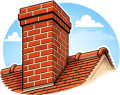


This page explains what chimney flashing is, the common failure points, repair vs replacement, what to check in a quote, and how to request free, no-obligation quotes for chimney flashing repair.
What is chimney flashing?
Chimney flashing is usually made from lead and sits where roof tiles/slates meet the chimney stack. It’s designed to:
- direct rainwater away from the chimney joint, and
- prevent water running into the roof structure.
On pitched roofs, chimney flashing is typically made up of several parts (not just one piece), and those parts matter when diagnosing leaks.
Common chimney flashing components
- Apron flashing (front of chimney): the lower/front section facing the slope
- Step flashing (sides): stepped pieces that run up the side of the chimney alongside tiles/slates
- Soakers (often used with step flashing): hidden pieces that sit beneath tiles to channel water
- Back gutter / tray (rear of chimney): a channel/tray behind the chimney on the upper slope to divert water around it (common leak area)

Signs you need chimney flashing repair
You may need chimney flashing repair if you’ve noticed:
- Leaks or damp near the chimney breast after rain
- Water marks in the loft close to the chimney stack
- Staining on ceilings near the chimney line
- Drips that happen mainly during storms or strong winds
- Flashing that looks lifted, split, cracked or heavily sealed with mastic
- Crumbling mortar where flashing meets the chimney (failed chase pointing)
Tip: If the leak appears only during wind-driven rain, flashing defects and rear-tray issues are often prime suspects.
Chimney flashing problems and fixes (comparison table)
| Problem | What you might see | Common repair approach | When replacement is better |
|---|---|---|---|
| Lifted lead flashing | Lead not sitting flat; gaps visible | Re-dress and secure lead; check fixings | If lead is fatigued or repeatedly patched |
| Split or cracked lead | Visible cracks or holes | Local lead repair or section replacement | If cracking is widespread or lead is old |
| Poor detailing at corners | Leaks near chimney edges | Renew corner detailing; refit step flashing | Often (corners are common failure points) |
| Failed soakers/step flashing | Leaks on chimney sides | Lift tiles and replace soakers/steps | If multiple steps/soakers are failing |
| Back gutter/tray issues | Leaks at rear of chimney | Clear/repair gutter; renew tray if needed | If tray is missing, undersized or defective |
| Chase pointing failed | Gaps where lead enters brickwork | Re-point chase properly | If chase is poorly cut or lead not installed correctly |
Chimney flashing repair vs replacement
Some chimney flashing can be repaired (especially if the lead is still in good condition). But if flashing has been patched repeatedly, is cracked, or is badly installed, replacement is often the better long-term option.
When repair may be enough
- Lead has lifted but isn’t split or fatigued
- Small defects can be corrected with proper re-dressing and securing
- The main issue is failed chase pointing (mortar) rather than the lead itself
When replacement is usually recommended
- Lead is cracked/split in several places
- Flashing has been sealed over multiple times with mastic
- Step flashing/soakers are missing or failing along the sides
- The rear tray/back gutter is defective or not doing its job
- The leak has returned repeatedly after “quick fixes”
What a proper chimney flashing quote should include
A clear quote helps you compare like-for-like and avoid temporary patch jobs.
A good quote should state:
- Whether it’s a repair or full replacement
- Which elements are included (apron, steps, soakers, back tray)
- Whether tiles/slates will be lifted and replaced if needed
- How the lead is being secured and detailed at corners
- Whether the chase is being re-pointed where the lead enters the brickwork
- Access method (ladders/tower/scaffolding) and whether included
- Waste removal, timescale, VAT status, and warranty/guarantee
Do chimney flashing repairs need scaffolding?
Not always, but it’s common. Flashing work often requires precise detailing and sometimes lifting tiles/slates around the chimney. The safest access depends on height, roof pitch and chimney position.
Minor chimney repairs might be possible with ladders or a tower, but scaffolding is frequently used for safety and quality — especially for full flashing replacement or rear-tray work.
How to get accurate chimney flashing repair quotes
To help roofers quote accurately, include:
- Your postcode area and property type
- Where you see the leak (chimney breast, ceiling, loft)
- When it happens (light rain vs storms)
- Which side the chimney is on (front/rear)
- Photos (if safe): chimney stack + close-up of flashing + any indoor staining
Get free quotes for chimney flashing repair
Use our enquiry form to request free, no-obligation chimney flashing repair quotes. We’ll match your request with suitable local roofers so you can compare options and choose the best fit for your home.
Chimney flashing repair FAQs
Is chimney flashing always lead?
Lead is the most common material used for chimney flashing in the UK because it’s durable and workable. Some properties may have alternative materials, but leadwork is typical.
Can you fix chimney flashing with sealant?
Sealant can reduce leaks short term, but it often fails with movement and weather exposure. Proper repairs typically involve re-dressing, renewing lead sections, replacing soakers/step flashing, and re-pointing the chase correctly.
Why does the leak only happen in storms?
Wind-driven rain and stronger water flow can get under lifted flashing or overwhelm poor rear-tray/back gutter detailing, causing leaks that don’t show in light rain.
How long does chimney flashing repair take?
Small repairs can sometimes be done in a day. Replacement work or jobs needing scaffolding can take longer depending on access, scope and weather.
What’s the difference between step flashing and soakers?
Step flashing is the visible stepped lead along the chimney sides. Soakers are often hidden beneath tiles/slates and help channel water into the roof covering.