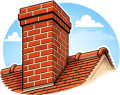


This page explains the most common causes of chimney leaks, how they’re repaired, what to check before hiring a roofer, and how to get accurate quotes. If you’re ready, you can request free, no-obligation quotes from local specialists for chimney leak repair.
Signs your chimney is leaking
You may need chimney leak repair if you’ve noticed any of the following:
- Damp patches on the chimney breast (upstairs, downstairs, or in loft rooms)
- Staining or peeling paint/plaster around the chimney breast
- Water marks on ceilings near the chimney line
- Damp smell around a fireplace or closed chimney
- Leaks that appear only during heavy rain or wind-driven rain
- Drips in the loft near the chimney stack
- Efflorescence (white salt marks) on internal chimney walls
Tip: A leak that only happens in storms often points to flashing or top-of-stack defects (flaunching/cowls), rather than general roof covering issues.
What causes most chimney leaks?
Chimney leaks usually come from a few predictable weak points. The best repair depends on the entry point — not just the symptom indoors.
Common leak entry points
- Failed lead flashing/soakers at the roof–chimney junction
- Cracked flaunching around chimney pots
- Worn mortar joints and porous brickwork
- Missing/damaged chimney cowl/cap allowing rain into the flue
- Spalled bricks from frost damage (brick faces breaking down)
- Defects on the back gutter (behind chimneys on pitched roofs)
- Condensation in unused chimneys (often mistaken for leaks)
Chimney leak causes vs fixes (comparison table)
| Likely cause | Typical symptoms | What a roofer usually does | Best long-term fix? |
|---|---|---|---|
| Failed lead flashing / step flashing / soakers | Damp after rain, staining near chimney breast, leaks in loft around stack | Repair, re-dress or replace leadwork; check soakers and steps | Often yes (if leadwork renewed properly) |
| Cracked or failed flaunching | Damp on stack, loose pots, water pooling on top | Remove failed flaunching, re-form with proper falls; re-bed pots | Yes |
| Mortar joints recessed / crumbling | Damp patches, open joints visible from ground | Rake out and repoint; replace any damaged bricks | Yes (if bricks sound) |
| Missing/damaged cowl/cap | Water down flue; damp around fireplace; soot staining | Fit suitable cowl/cap; ensure ventilation where needed | Yes |
| Spalled bricks / porous masonry | Repeating damp, brick faces breaking up | Replace damaged bricks; repoint; review weatherproofing | Yes |
| Back gutter / tray issues (behind chimney) | Leaks in heavy rain, often at rear slope | Clear/repair back gutter; install/repair tray/flashings | Yes |
| Condensation in unused chimney | Damp that persists in dry weather; musty smell | Improve ventilation; fit ventilated caps; check sealing | Yes |
Chimney leak repair services
Lead flashing repair and replacement
Flashing is the most common culprit for chimney leaks. A proper repair focuses on the correct lead details — not just sealant patches.
May include:
- Re-dressing lifted lead
- Replacing split or fatigued lead sections
- Repairing or renewing step flashing and soakers
- Checking pointing of flashing chases where applicable

Chimney repointing (mortar repairs)
If mortar joints are open, rain can soak into the stack and work its way indoors.
May include:
- Raking out failed mortar to a suitable depth
- Repointing using an appropriate mortar mix
- Replacing spalled or loose bricks where needed
Flaunching repairs and pot re-bedding
Cracked flaunching can let water into the top of the stack and loosen pots.
May include:
- Removing failed flaunching
- Re-forming new flaunching with correct falls
- Re-bedding or replacing loose pots
- Checking cowls/caps are secure
Chimney cowls, caps and bird guards
If rain is entering the flue directly, a suitable cowl/cap can make a big difference — especially on redundant chimneys.
May include:
- Rain cap / ventilated cap (depending on flue use)
- Anti-downdraught cowls (where needed)
- Bird guards to prevent nesting/blockages
Brickwork repairs and partial rebuilds
If bricks are failing, repeated patching rarely lasts.
May include:
- Localised brick replacement
- Rebuilding the top section of the stack
- Improving weatherproofing details as part of the rebuild
Leaking chimney or condensation? (quick guide)
Some “leaks” are actually condensation in an unused flue, especially in colder months.
| Clue | More likely a leak | More likely condensation |
|---|---|---|
| Appears after rain | ✅ | Sometimes |
| Persists during dry spells | Sometimes | ✅ |
| Worse in cold weather | Sometimes | ✅ |
| Water marks/staining track down chimney breast | ✅ | ✅ |
| Musty smell with no rainfall | Unlikely | ✅ |
| Visible flashing defects outside | ✅ | Unlikely |
If you’re unsure, describe the symptoms when requesting quotes — roofers can inspect the likely causes.
What to check before hiring a roofer for chimney leak repair
Chimney leak repair should come with a clear written scope — otherwise you can’t compare like-for-like.
Ask for these details in writing
- Exact fault being fixed (flashing, flaunching, mortar, cap/cowl, etc.)
- Materials included (leadwork type, mortar, replacement bricks, cowls/caps)
- Access method (ladders, tower, scaffolding) and whether included
- Whether any roof tiles/slates will be lifted/replaced
- Waste removal and tidy-up
- Timescale and warranty/guarantee terms
- VAT included or excluded (if applicable)
Safety and access
Some chimney leak repairs are minor; others are high-risk. A good roofer will be clear about safe access and won’t rely on risky shortcuts.
How to get accurate chimney leak repair quotes
To get better quotes first time, include:
- Your postcode area and property type (terraced/semi/detached/bungalow)
- Where you see damp/leaks (ceiling, chimney breast, loft)
- When it happens (only in rain, only in storms, ongoing)
- Which side of the house the chimney is on (front/rear)
- Photos (if safe): the full chimney, close-up of flashing/top, plus indoor damp
Get free quotes for chimney leak repair
Use our enquiry form to request free, no-obligation chimney leak repair quotes. We’ll match your request with suitable local specialists so you can compare options and choose the best fit for your home. Find me quotes is also a good type of service that you can use.
Chimney leak repair FAQs
Why is my chimney leaking only when it rains heavily?
Wind-driven rain often exposes weak points like lifted flashing, cracked flaunching or missing caps/cowls. These issues may not leak in light rain.
Can you fix a chimney leak without scaffolding?
Sometimes. Minor repairs may be possible with ladders or a tower, but many chimney leak repairs are safer and longer-lasting with proper access — especially flashing renewal or top-of-stack work.
Is repointing enough to stop a chimney leak?
Repointing can help if the leak is caused by open mortar joints. However, many leaks come from flashing, flaunching, cowls/caps or back gutter defects. A roofer should diagnose the entry point.
Will a quick sealant patch stop the leak?
Sealant can be a temporary measure, but it often fails with movement and weather exposure. Proper repairs usually involve renewing lead details, mortar joints or top-of-stack components.
How quickly should I deal with a leaking chimney?
Sooner is usually better. Water ingress can worsen internal damp, damage plaster and timbers, and accelerate brick/mortar deterioration — especially through freeze/thaw cycles.
What information should I provide to get accurate quotes?
Your postcode, property type, symptoms (where you see damp/leaks), when it occurs, access notes, and photos of the stack/flashing and any internal staining.