

This guide explains typical chimney removal costs in the UK, what drives pricing up or down, what a good quote should include, and how to compare quotes properly.
If you want an accurate price for your home, you can request free, no-obligation quotes from local specialists.
Average chimney removal costs (quick guide)
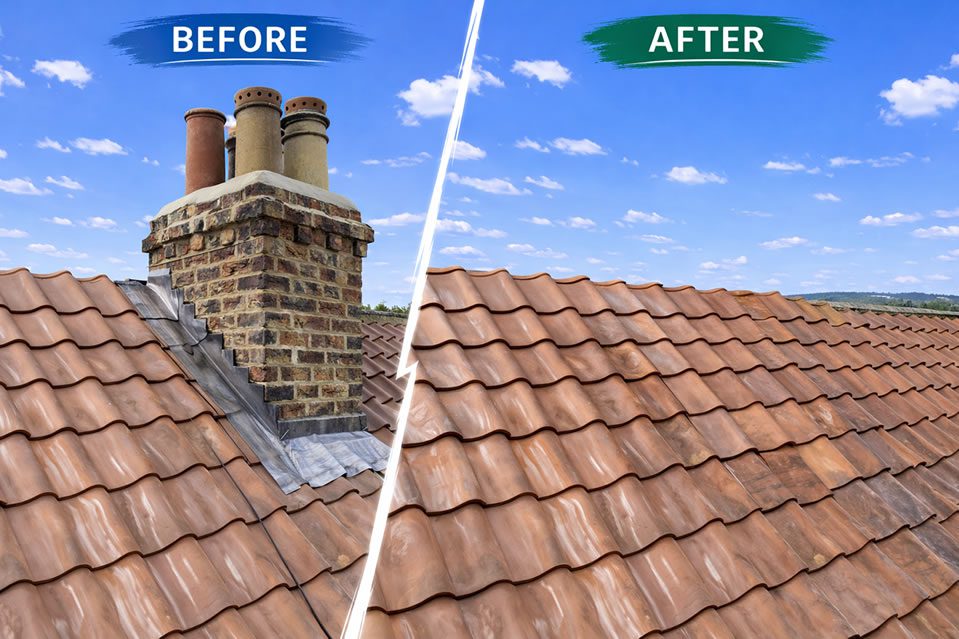
The biggest difference in price comes from the type of removal. Removing just the chimney stack (above the roofline) usually costs less than removing an internal chimney breast because breast removal often involves structural support and making good inside rooms.
| Type of work | Typical UK cost range | Notes |
|---|---|---|
| Cap/vent an unused chimney (not full removal) | £150 – £500 | Reduces rain ingress and helps ventilation |
| Remove chimney stack above roofline | £1,000 – £3,000 | Includes making roof watertight (scope varies) |
| Remove chimney stack + make good roof (more complex access) | £2,000 – £4,500+ | Rear stacks over extensions/conservatories often cost more |
| Remove chimney breast (one room / one level) | £1,500 – £3,500 | Structural support may be required |
| Remove chimney breast (ground + first floor) | £3,000 – £7,000+ | More making good, more waste, more structure |
| Full removal (stack + breasts, bigger renovation job) | £4,500 – £12,000+ | Wide range due to structure and finishes |
| Scaffolding (if required) | £700 – £2,500+ | Often the biggest cost driver for stack removal |
These are guide ranges. Your quote may sit outside them depending on height, roof pitch, access, whether the chimney is shared, and the amount of making good required.
What affects chimney removal cost?
1) What exactly you’re removing
“Chimney removal” can mean:
- Chimney stack removal (above the roofline)
- Chimney breast removal (inside the house)
- Full removal (stack + internal masonry)
Each has a different cost profile.
2) Access and scaffolding
Stack removal often needs scaffolding. Costs rise when:
- the property is tall (3 storey+)
- the roof is steep
- the chimney sits at the rear or over an extension/conservatory
- access is restricted (tight terraces, limited parking)
3) Roof making good and weatherproofing
Removing a stack should include:
- replacing tiles/slates
- underlay/battens details as needed
- making the roof fully watertight
- finishing leadwork neatly where required
If a quote doesn’t clearly cover roof making good, ask for a written breakdown.
4) Structural support (chimney breast removal)
Internal breast removal can require structural work, especially if you remove the breast on a lower floor but keep masonry above. This can significantly affect cost.
5) Shared/party-wall chimneys (terraces and semis)
If the chimney is shared or forms part of a party wall, scope and coordination can become more complex. That can affect pricing and timelines.
6) Waste removal
Chimney masonry is heavy. Quotes may increase if the contractor needs extra labour to move rubble through the house or down narrow side access. Consider your options with checking out UK skip sizes.
7) Finish level indoors
For chimney breast removal, costs vary depending on how “finished” you want it:
- basic making good (plaster patching)
- full replastering
- redecorating, skirting boards, flooring repairs, etc.
Chimney removal vs rebuild vs cap/vent (cost comparison)
| Option | Cost level | Best when |
|---|---|---|
| Cap/vent unused chimney | £ | Chimney is sound but you want to reduce rain ingress and damp |
| Repair / repoint / flashing work | ££ | Defect is localised and the stack is stable |
| Partial rebuild | £££ | Upper stack is failing, loose masonry, repeated repairs |
| Removal | £££–££££ | Chimney is redundant or beyond economical repair |
Sometimes capping/venting solves the main problem (especially for unused chimneys). However, if the stack is unstable, removal or rebuild is often the safer option.
What should a chimney removal quote include?
For chimney stack removal (roof work)
A good quote should state:
- how far the stack will be removed (to roofline or lower)
- whether scaffolding is included and who arranges it
- how the roof will be made watertight (tiles/slates, underlay, battens)
- whether leadwork/flashing is included
- waste removal and disposal
- timescale, VAT status, and guarantee (especially for watertightness)
- proof of public liability insurance
For chimney breast removal (internal work)
The quote should also include:
- whether structural supports are required (and what’s included)
- which rooms/floors are included
- making good scope (plastering, finishing)
- waste removal approach and protection of your home
How to get accurate chimney removal quotes
To help specialists quote accurately, include:
- postcode area and property type (terrace/semi/detached/bungalow)
- what you want removed (stack, breast, or both)
- whether the chimney is shared (terrace/semi)
- which side the chimney is on (front/rear)
- access notes (extension/conservatory below, restricted parking)
- photos (outside stack + inside rooms if breast removal)
Get free quotes for chimney removal
Want a firm price for your home? Use our enquiry form to request free, no-obligation chimney removal quotes. Add photos if you can, and we’ll match your enquiry with suitable local specialists so you can compare options and choose the best fit.
Chimney removal cost FAQs
How much does chimney removal cost in the UK?
Chimney removal costs vary widely. Removing a chimney stack above the roofline often falls in the low thousands, while chimney breast removal can cost more due to structural work and internal making good.
Is it cheaper to remove a chimney stack or a chimney breast?
Stack removal is often cheaper than breast removal. Breast removal can involve structural supports and more finishing work inside rooms.
Does stack removal include making the roof watertight?
It should. A proper quote should state how the roof will be made watertight and what materials/finishes are included. Always confirm this in writing.
Do I always need scaffolding?
Not always, but it’s common for stack removal. Taller properties, steep roofs, and rear chimneys over extensions usually increase the likelihood of scaffolding.
Can I cap an unused chimney instead of removing it?
Often, yes. If the chimney is sound, a ventilated cap/cowl can reduce rain ingress while allowing airflow to help prevent damp. If the stack is unstable, removal or rebuild may be safer.