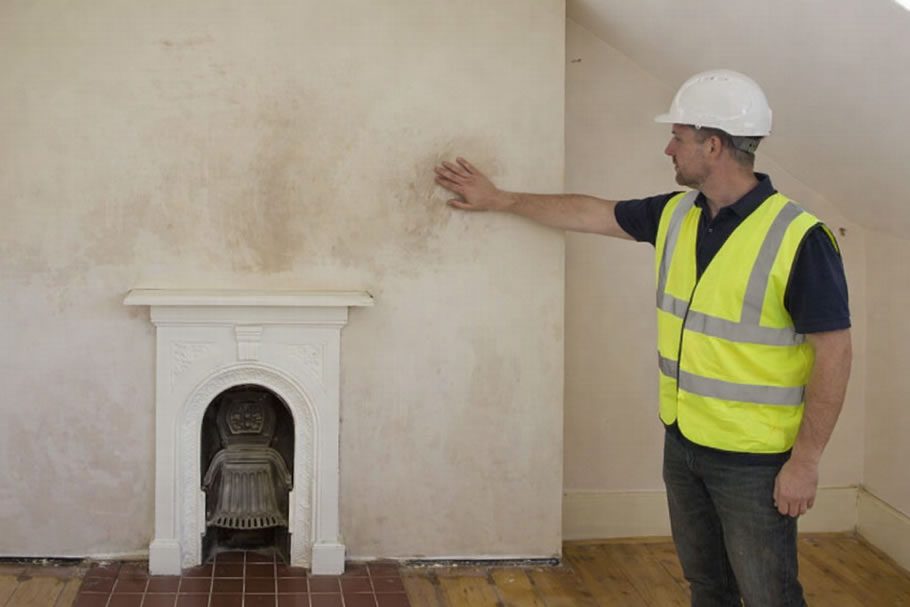

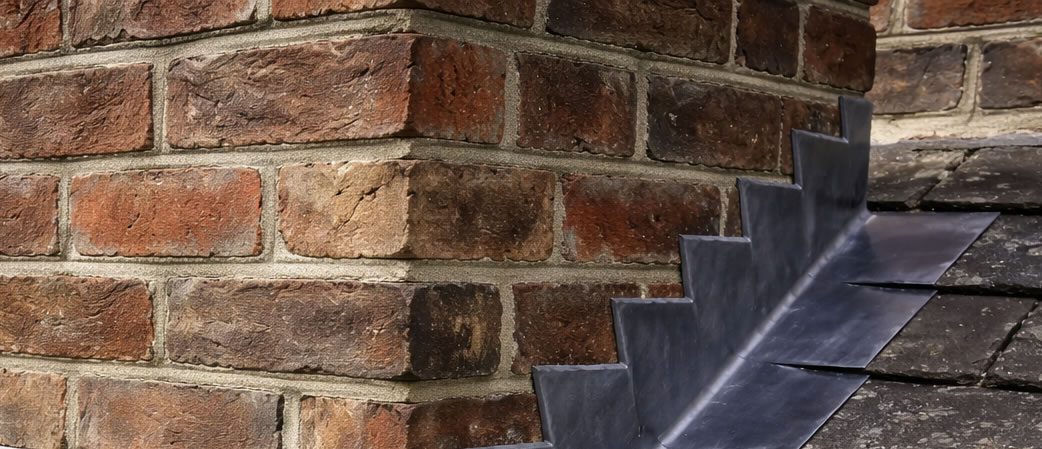
If you’ve had a roofer “seal around the chimney” and the leak comes back a few months later, you’re not imagining things. Sealant patches rarely last on chimney flashing because the roof and chimney move, weather hits that junction hard, and many leaks come from details that sealant can’t properly fix (like missing soakers or a failing back tray).
In this guide we’ll cover:
- the most common chimney flashing failure points
- why sealant/mastic patches fail so often
- what long-lasting repairs look like
- what to ask for in a quote so you don’t pay twice
Quick refresher: what chimney flashing actually does
Chimney flashing (usually lead) creates a watertight junction where the roof meets the chimney stack. It typically includes:
- apron flashing at the front
- step flashing up the sides
- soakers under tiles/slates (often hidden)
- a back tray/back gutter behind the chimney on pitched roofs
- chase pointing where lead tucks into brickwork
A failure in any one of these areas can leak during heavy rain—especially wind-driven rain.
The most common chimney flashing failure points
1) Chimney corners (the “stress points”)
Corners take the most movement and the most complicated detailing. Water also concentrates there in heavy rain.
What goes wrong:
- gaps open up at corner folds
- poor overlaps allow water to track behind the lead
- sealant gets used to “fill the gap” instead of rebuilding the detail
Typical symptoms:
- leaks in storms and windy rain
- stains near the chimney line that come and go
2) Step flashing and missing/failed soakers (side leaks)
This is one of the most common hidden problems. On many roofs, soakers sit under each tile or slate along the chimney side. If they’re missing, corroded, or installed incorrectly, water can slip behind the visible step flashing.
What goes wrong:
- soakers weren’t installed originally (common on poor past work)
- steps are too short or have poor overlap
- tiles/slates have moved and opened the gap
Typical symptoms:
- damp in the loft near the chimney side
- leaks mainly in heavy rain
- repeated “repairs” that never fully stop the leak
3) The back tray / back gutter behind the chimney (big storm leak point)
On pitched roofs, the uphill side of the chimney gets a lot of water. A properly detailed back tray channels water around the chimney. If it’s missing, undersized, blocked, or poorly formed, water can build up and overflow into the roof.
What goes wrong:
- tray was never fitted or is too small
- debris (moss/leaves) blocks the channel
- poor detailing allows water to track underneath
Typical symptoms:
- leaks in heavy rain (especially after leaf fall)
- wet patches in loft behind the stack
- stains that worsen when rain is prolonged
4) Chase pointing failure (where lead enters the brickwork)
Lead flashing tucks into a groove (chase) in the chimney brickwork. Mortar should lock it in place. When that mortar cracks or falls out, water can run behind the lead.
What goes wrong:
- mortar cracks and gaps appear
- lead pulls away slightly over time
- repointing gets skipped during “repairs”
Typical symptoms:
- damp chimney breast or loft damp near the stack
- leaks that appear after storms
- visible gaps along the chase line
5) Lifted or fatigued lead (age + movement)
Lead can lift over time due to wind, thermal movement, and poor fixings. Older lead can also crack or split.
What goes wrong:
- lead lifts and leaves a gap
- cracks/splits form in fatigued lead
- previous patching creates weak points
Typical symptoms:
- recurring leaks that return after patching
- visible lifted or rippled lead from ground level
Why sealant patches rarely last
Sealant seems like a quick fix, but it fights the physics of the roof.
1) Roofs move
Tiles, battens, lead and brickwork all expand and contract. Sealant doesn’t cope well with that repeated movement, especially on exposed chimneys.
2) Water finds the next weak point
Even if sealant blocks one small gap, water can:
- run underneath from a different edge, or
- enter via missing soakers/back tray, where sealant can’t reach.
So leaks return, but in a slightly different place.
3) Sealant degrades in UV and weather
Sunlight, temperature swings, and rain break sealants down. Chimney junctions are some of the harshest locations on a roof.
4) Sealant can trap water
On some details, sealant can trap moisture behind leadwork or in joints. That can worsen brick and mortar deterioration over time.
5) Sealant often hides the real issue
A thick line of mastic can hide lifted lead or missing parts, delaying proper repair until damage spreads.
What long-lasting flashing repairs look like
A durable repair depends on the failure point, but it usually includes one or more of these:
- re-dressing and securing sound lead
- replacing cracked or fatigued lead sections
- renewing step flashing and soakers where needed (tiles lifted/refitted)
- repairing or installing a proper back tray/back gutter
- re-pointing the chase properly so lead stays locked in
- tidy corner detailing with proper overlaps
In short: proper leadwork and correct detailing, not a cosmetic sealant bead.
What to ask in a quote (so you don’t pay twice)
Ask the roofer to specify:
- which lead elements are included (apron, steps, soakers, back tray)
- whether they will lift tiles/slates to check/replace soakers
- whether chase pointing is included
- whether they’ll address the rear tray/back gutter if relevant
- access method and whether scaffolding is included
- warranty/guarantee terms for leak-related work
- before/after photos (very useful for chimney junction work)
If the quote just says “seal around chimney,” push for detail.
When to get it checked quickly
Arrange an inspection sooner if:
- stains worsen during storms
- you see lifted lead or gaps around the chimney
- damp appears on the chimney breast
- there’s wet insulation in the loft near the stack
- the chimney is older and has had multiple patch repairs
Need help fixing chimney flashing properly?
If you suspect chimney flashing is the cause of your leak, it’s worth getting quotes for a proper repair rather than repeated patches. You can request free, no-obligation quotes from local specialists. Add photos of the chimney junction and any internal staining to help roofers quote accurately.
FAQs
Can sealant ever be a temporary fix?
Sometimes it can reduce water ingress briefly, but it rarely lasts long-term on exposed chimney junctions. It’s best treated as temporary at most.
Why does my chimney leak only in storms?
Wind-driven rain pushes water into weak points like corners, lifted lead, missing soakers, or rear tray defects. Light rain may not expose those issues.
How do I know if I need flashing replacement rather than repair?
If the lead is cracked, fatigued, or heavily patched, replacement usually makes more sense. If the lead is sound but lifted or the chase pointing has failed, a repair can work well.