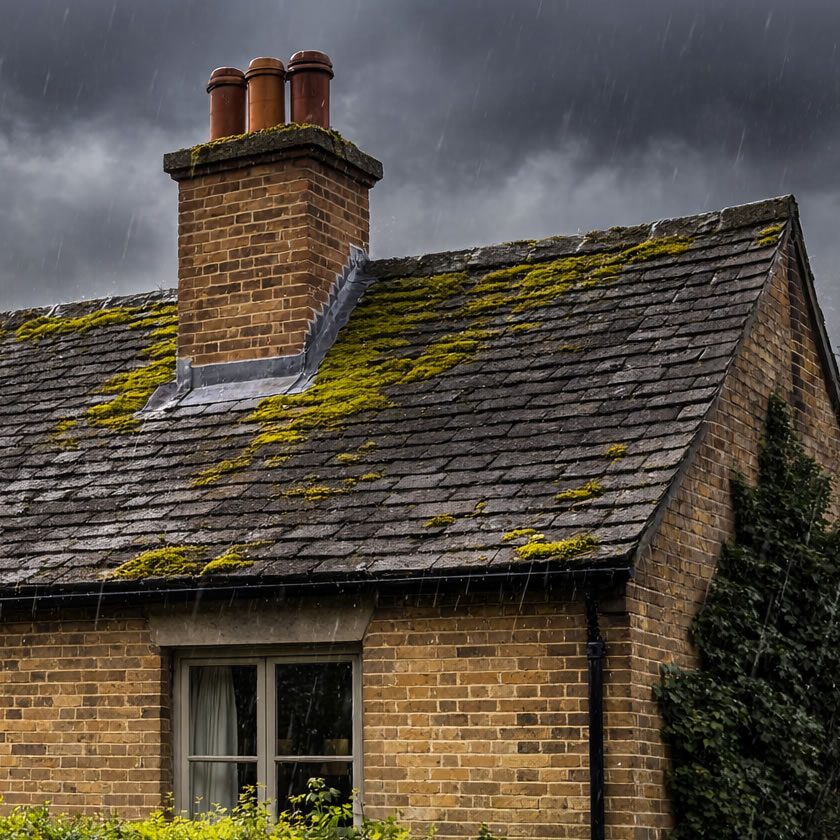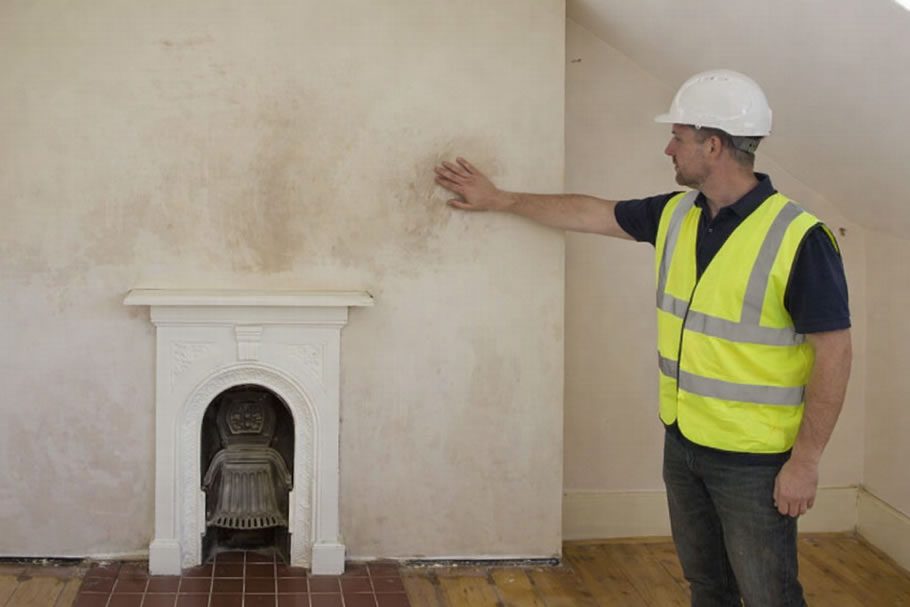

If you’ve been quoted for chimney flashing repairs and the price jumps because of scaffolding, you’re not alone. Scaffolding is often the biggest cost driver on chimney work. The tricky part is that some flashing jobs genuinely need scaffolding for safe access and good workmanship—while others can be completed safely with ladders or an access tower.
This guide explains:
- when scaffolding is usually needed for chimney flashing repairs
- when it might not be necessary
- what other access options exist (tower vs ladders)
- how to compare quotes so you don’t overpay (or under-spec safety)
Why access matters so much on chimney flashing
Chimney flashing repairs aren’t just “sticking something down.” Good leadwork needs:
- stable access at the chimney junction
- time to dress lead neatly to the roof profile
- the ability to lift/refit tiles if replacing soakers/step flashing
- safe positioning to work at corners and the back tray area
If a roofer can’t work safely and steadily, the job often turns into a rushed patch repair—which is why leaks return.
When you usually need scaffolding for chimney flashing repairs
1) The chimney is high or hard to reach
Scaffolding becomes more likely on:
- 2–3 storey homes
- chimneys high above the ridge
- steep roof pitches
- chimneys set back from the eaves (harder ladder positioning)
A safe, stable platform reduces risk and improves workmanship.
2) The job involves replacement, not a quick repair
If you need:
- full lead flashing replacement
- step flashing and soakers renewed
- rear tray/back gutter work behind the chimney
then the roofer often needs longer, steadier access.
3) You have a rear chimney over an extension or conservatory
These are common scaffolding jobs because:
- access is awkward
- there may be fragile roof structures below
- ladder placement can be unsafe
4) Multiple elevations need work
If the roofer needs to work around more than one side of the chimney (front, sides, back), scaffolding often makes the job safer and faster overall.
5) There’s any sign of loose masonry
If bricks are loose or pots are unstable, scaffolding gives safer working conditions and reduces the risk of dislodging masonry.
When you might NOT need scaffolding
Scaffolding isn’t always necessary. A roofer may be able to work safely without it if:
1) The property is low (bungalow or low 2-storey)
Lower rooflines can allow safe access using ladders or a tower.
2) It’s a small repair and the lead is still sound
Examples include:
- re-dressing a lifted section of lead
- renewing failed chase pointing
- securing an edge that has come loose
If the roofer doesn’t need to lift tiles or work around multiple sides, access can sometimes be simpler.
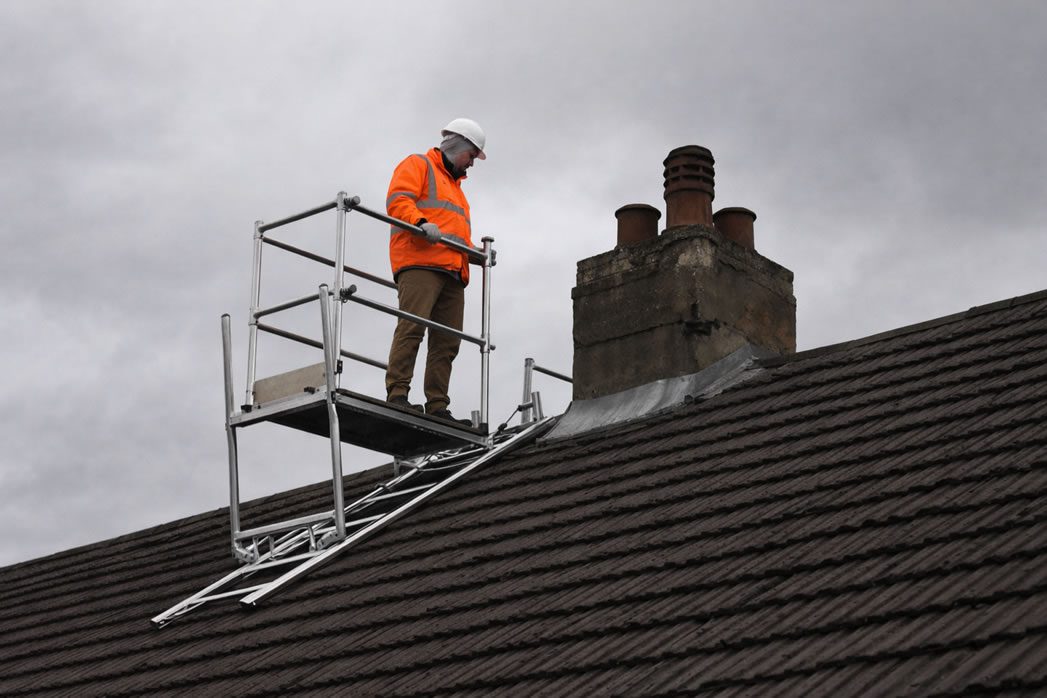
3) An access tower provides a stable platform
A properly set-up tower can be a good middle ground—safer than ladders, cheaper than full scaffolding—when the site allows it.
Access options compared: ladders vs tower vs scaffolding
| Access option | Typical cost level | Best for | Limitations |
|---|---|---|---|
| Ladders | £ | Very minor repairs on low roofs | Less stable, harder to do precision leadwork |
| Access tower | ££ | Many repairs on lower properties | Not always suitable on steep/awkward roofs |
| Scaffolding | £££ | Replacements, multi-side work, high/steep roofs | Higher cost, needs space/time to erect |

In practice, the right choice depends on safety, not just scaffolding price.
The question to ask: “What exactly will you do, and how?”
If a roofer says they need scaffolding, ask them to explain:
- what parts of flashing they’re repairing (apron, steps, soakers, rear tray)
- whether they need to lift tiles/slates
- how long they expect the job to take
- why ladders or a tower wouldn’t be safe/adequate
A good roofer will answer clearly.
Why “no scaffold” isn’t always cheaper long term
A cheaper quote without scaffolding can be false economy if:
- the roofer can only do a sealant patch
- they can’t replace soakers properly
- they rush the detailing at corners
- the leak returns and you pay again
For many homeowners, paying once for proper access costs less than paying twice for repeat “repairs.”
How to compare quotes properly
When you get quotes, compare like-for-like:
- Scope of work
Does it include step flashing/soakers? Rear tray? Chase pointing? - Access method
Ladder, tower, scaffolding—what exactly is included? - Making good
Will they refit tiles/slates and leave the roof watertight? - Evidence
Will they provide before/after photos? - Warranty/guarantee
For leak-related work, what’s covered and for how long?
If two quotes have very different prices, the difference is often access plus scope—not just “one roofer is cheaper.”
Quick scenarios: do you likely need scaffolding?
- Minor lifted lead on a bungalow: often no scaffold
- Replacing soakers on a 2-storey semi: often tower or scaffold
- Rear chimney over conservatory: scaffold likely
- Full flashing replacement around all sides: scaffold likely
- Loose bricks or unstable pots: scaffold strongly recommended
A roofer can confirm after inspecting the site.
Need quotes for chimney flashing repairs?
If your chimney is leaking, you can request free, no-obligation quotes. Roofers will assess the safest access method and include it in the price so you can compare properly. Add photos of the chimney junction and any ceiling stains if you can—it helps speed things up.
FAQs
Why do roofers recommend scaffolding for flashing work?
Because leadwork needs stable access for safe working and precise detailing. Scaffolding also helps when tiles need lifting for soakers or when multiple sides of the chimney need work.
Is an access tower a good alternative?
Often, yes—especially on lower roofs where the tower can be set up safely. However, steep roofs, rear chimneys, and full replacements may still need scaffolding.
Can I insist on no scaffolding to save money?
You can ask, but it may limit what the roofer can do safely. If the only “no scaffold” option is a sealant patch, the leak may return and cost more long term.