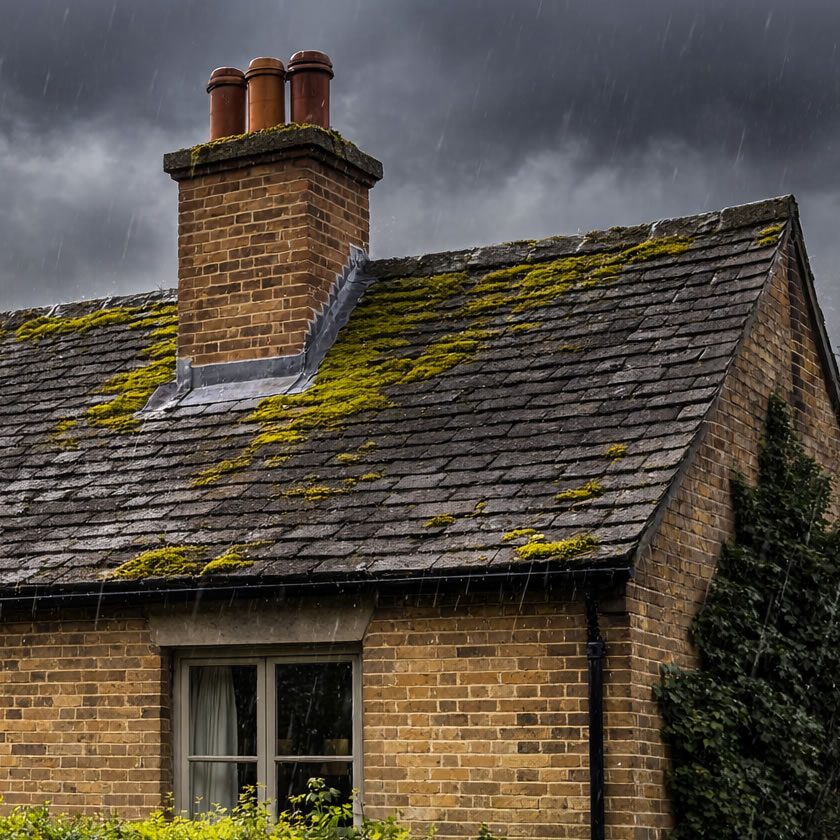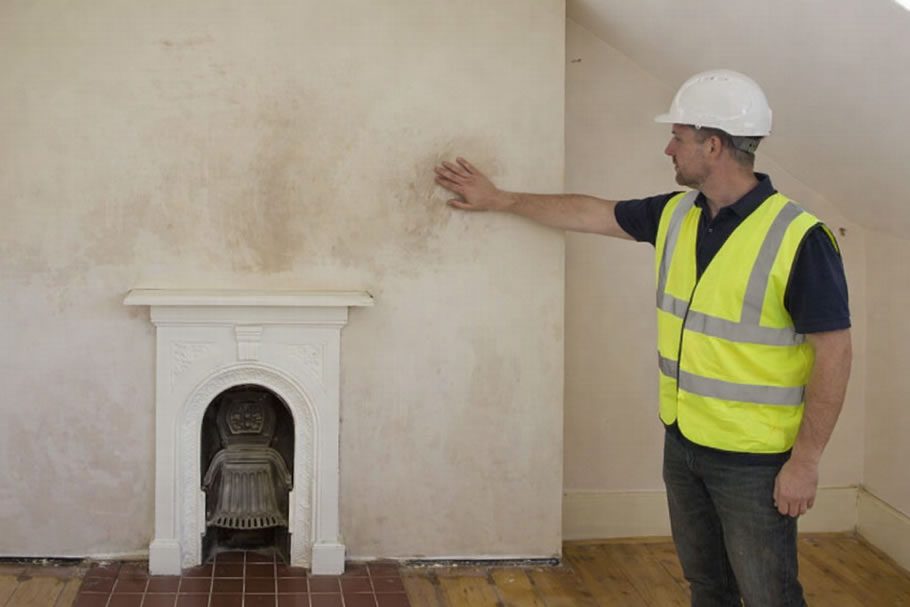

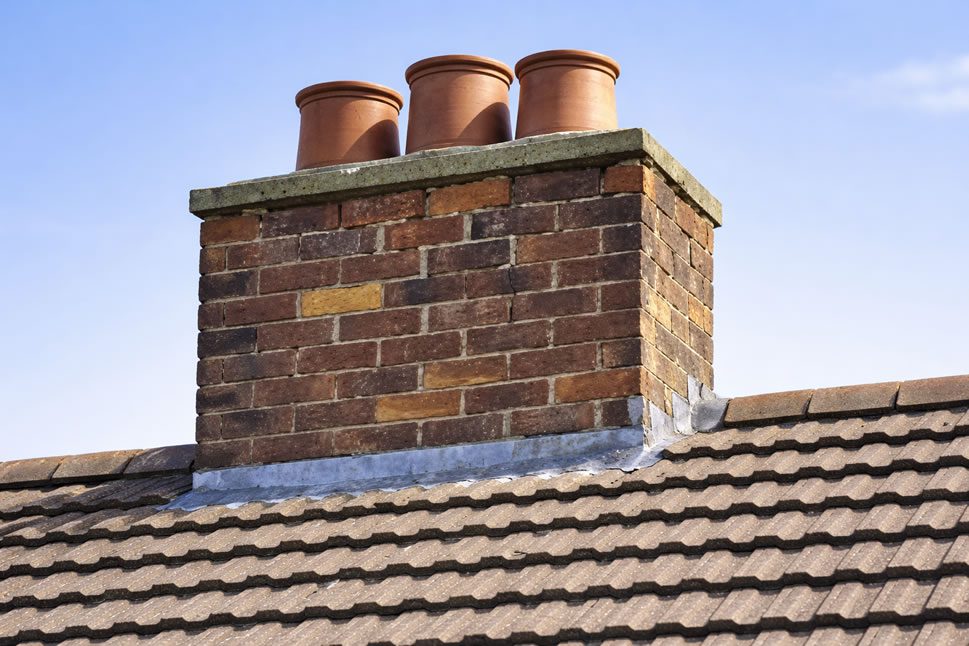
When you discover a leak—especially around the chimney—your first instinct is to “get up there and fix it.” However, DIY roof access is one of the fastest ways to turn a wet patch into a serious injury. The safer approach is to limit damage inside, document what’s happening, and make it easier for a roofer to diagnose.
Below are practical, low-risk steps UK homeowners can take while waiting for a roofer.
1) Safety first: what not to do
Before anything else, avoid these common mistakes:
- Don’t climb onto the roof (wet tiles and steep pitches are dangerous)
- Don’t lean ladders against gutters (they can fail or bend)
- Don’t try to “patch” flashing with random sealants from a ladder
- Don’t disturb chimney pots or cowls (they can be loose)
- Don’t ignore electrics if water is near lights, sockets, or the consumer unit
If water is close to electrics, treat that as urgent.
2) Catch and control the water indoors
Your goal is to prevent water spreading and damaging ceilings, floors, and furniture.
What to do
- Put a bucket or washing-up bowl under drips
- Place old towels around the bucket to catch splashes
- Move furniture and soft furnishings away from the damp area
- Protect floors with a tarp, bin liners, or an old shower curtain
- If the ceiling is bulging with water, don’t poke it unless you’re confident it’s safe—water can drop suddenly and bring plaster down with it
If you see active dripping, check it every hour so buckets don’t overflow.
3) Reduce moisture and help the area dry (without making it worse)
You can reduce secondary damage (mould, swollen plaster, warped timber) by improving drying.
Useful steps
- Open windows a crack for ventilation (if weather allows)
- Run your extractor fan in the room if you have one
- Use a dehumidifier if you have one (best option)
- Keep gentle heat in the room—don’t blast the radiator to maximum because rapid drying can crack plaster
Avoid drying directly with high heat at close range (like a heater right up against damp plaster).
4) Check the loft safely (if you can)
If you can access the loft safely and you know where it’s safe to step (on joists, not plasterboard), a quick look can help you understand the situation.
What to look for
- Drips or wet patches near the chimney stack
- Damp insulation around the stack area
- Water tracks on timbers
- Wet underlay close to the chimney line
- Daylight showing through a missing/slipped tile
What to do if you find water in the loft
- Put a bucket under a drip if possible
- Lay a plastic sheet under a wet area to protect insulation (don’t trap moisture permanently—this is temporary)
- Take photos/video for the roofer
If the loft is cramped, dark, or you’re not confident, skip this step. Photos from inside rooms are still useful.
5) Take helpful photos and notes (this speeds up the quote and repair)
Good evidence can reduce “guesswork” and help roofers plan access.
Photos that help most
- The ceiling stain/damp patch (wide shot + close-up)
- The chimney breast if damp is appearing there
- A photo from outside showing the chimney stack (from ground level)
- A photo of the roof slope near the chimney if you can see it from a window or garden
- Any loft photos showing water tracks (if safe)
Notes to write down
- When it leaks (light rain, heavy rain, storms, ongoing)
- Which side of the house the chimney sits on (front/rear/side)
- Whether the chimney is in use or blocked off
- Whether the stain grows after rainfall or stays constant
These details often point to the cause (flashing vs flaunching vs cap/cowl vs roof tile issue).
6) Quick exterior checks you can do from ground level
From a safe position, you can look for obvious red flags:
- A chimney pot that looks tilted or missing
- Missing cowl/cap (open pot)
- Cracked flaunching (cement around pots)
- Lead flashing that looks lifted or heavily patched
- Slipped/missing tiles near the chimney
- Gutters overflowing or blocked above the damp area
Don’t use binoculars if it encourages risky behaviour near edges—only check from safe ground.
7) If it’s an unused chimney: improve airflow safely
If the chimney is unused and sealed up, condensation can add to the problem.
Safe steps:
- If you have a vent in the room for the chimney, make sure it’s not blocked
- Don’t fully tape or seal vents closed “to stop draughts” while damp is present
Proper ventilation fixes usually involve a ventilated cap/cowl, but you can at least avoid trapping moisture indoors.
8) If you suspect the chimney is unsafe
Treat these signs as urgent:
- bricks or mortar falling into gutters or onto paths
- a chimney pot moving in the wind
- a leaning chimney or bulging brickwork
- cracking around the stack
In that situation:
- keep people away from the area below
- avoid opening windows directly under it
- arrange professional help as soon as possible
9) Questions to ask the roofer when they arrive
These questions help you get a proper fix rather than a quick patch:
- What’s the most likely entry point—flashing, mortar, flaunching, cap/cowl, tiles?
- What repair will last long-term (repair vs replacement)?
- What access method will you use (ladder/tower/scaffold) and why?
- Will you provide before/after photos?
- What warranty/guarantee do you provide for leak-related work?
When to treat it as an emergency
If any of the following happen, don’t wait:
- water is close to electrics
- the ceiling is sagging heavily with water
- water is pouring in during storms
- you suspect loose masonry could fall
Need help finding a roofer?
If you’ve got a leak and you want it sorted properly, you can request free, no-obligation quotes from local specialists. Add photos if you can—they help roofers diagnose faster and quote more accurately.
FAQs
Can I use roof sealant as a temporary fix?
It’s risky and often ineffective without proper prep and safe access. Sealant patches can also divert water into new places. It’s usually safer to focus on internal damage control and leave repairs to a roofer.
Should I pop a bulging ceiling to drain water?
Only if you know what you’re doing and can do it safely. Water can drop suddenly and bring plaster down. If in doubt, protect the area below and wait for professional advice.
Will a dehumidifier help?
Yes. A dehumidifier can reduce humidity and help surfaces dry, which reduces mould risk while you wait for repairs.