
A chimney that stays “fine” in light drizzle can suddenly start leaking during a proper downpour. That’s frustrating — and it often leads homeowners to assume the roof has failed. In reality, chimneys have a few predictable weak points. Heavy rain (especially when it’s windy) simply exposes them faster.
In this guide, we’ll break down the three most common causes of chimney leaks in heavy rain:
- Flashing problems (where the roof meets the chimney)
- Mortar and brickwork problems (water soaking through the stack)
- Caps and cowls problems (rain going straight down the flue)
We’ll also explain the signs to look for, which fixes actually last, and when it’s time to get a roofer involved.
Why heavy rain makes chimney leaks worse
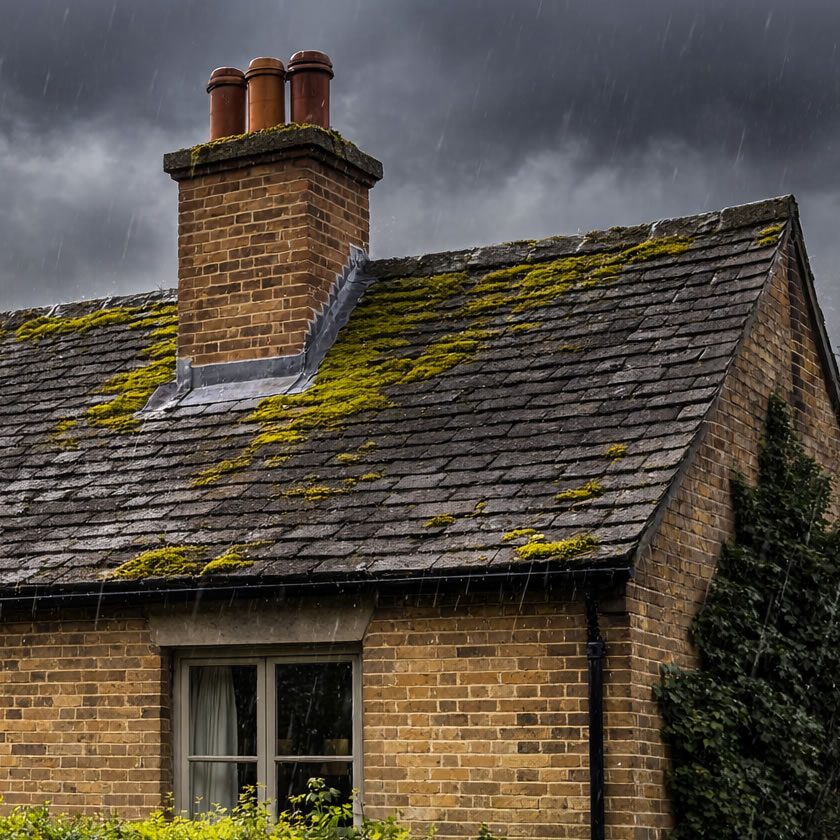
Heavy rain increases the amount of water hitting the chimney. However, wind-driven rain is the real troublemaker because it pushes water sideways and upward into gaps that stay dry in calmer weather.
On top of that:
- water “backs up” around roof details more easily in downpours
- soaked masonry holds moisture longer and can leak later
- small cracks that seem harmless can suddenly let in a lot of water
So, if you notice leaks only during storms, that timing is a strong clue in itself.
1) Flashing leaks: the #1 culprit in storms
What is flashing?
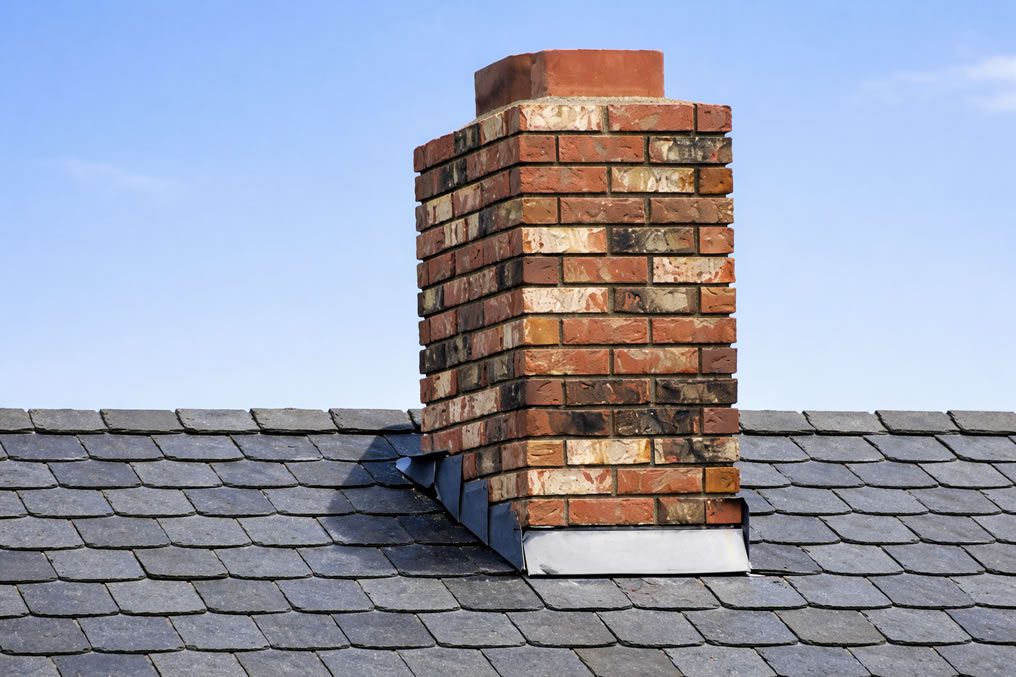
Flashing is usually lead and forms the watertight seal where the roof meets the chimney. It includes more than one part:
- apron flashing at the front
- step flashing up the sides
- soakers under tiles/slates (often hidden)
- a back tray/back gutter behind the chimney on pitched roofs (common leak point)
Why flashing fails in heavy rain
Flashing can fail when:
- lead lifts and leaves a gap
- cracks form in older leadwork
- corners were never detailed properly
- sealant patches break down
- the mortar “chase” (where lead enters brickwork) crumbles
In heavy rain, water finds those gaps and runs underneath the lead straight into the roof.
Signs it’s flashing
- damp appears after windy rain
- water marks in the loft near the chimney
- staining on ceilings near the chimney line
- you can see lifted lead or heavy sealant from the ground (sometimes)
The fix that lasts
A lasting repair usually involves proper leadwork, not just sealant:
- re-dressing and securing sound lead
- replacing cracked sections
- renewing step flashing/soakers where needed
- re-pointing the chase correctly
2) Mortar and brickwork leaks: when the stack soaks up water
How mortar causes leaks
Chimney stacks are exposed on all sides. Over time, mortar joints crack or recess. Once that happens, the stack absorbs rain like a sponge. In heavy rain, it can saturate faster than it can dry out.
Then water:
- works through the joints, and/or
- travels down inside the chimney, and
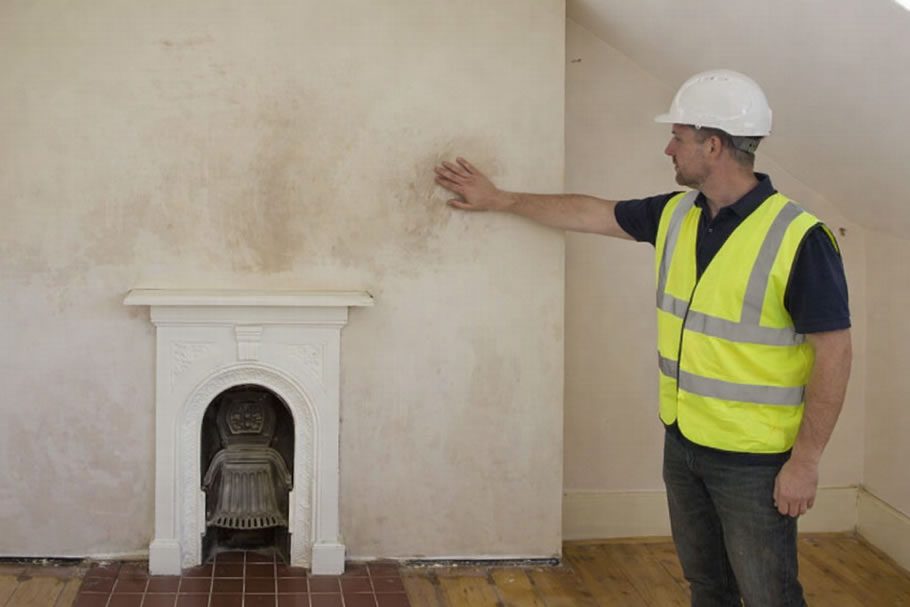
- shows up as damp on the chimney breast
Signs it’s mortar/brickwork
- mortar looks crumbly, sandy, or missing
- bricks look wet for long periods or show spalling (flaking faces)
- damp appears even after the rain stops (because the stack stays saturated)
- the chimney looks generally weathered, not just one small defect
The fix that lasts
Most commonly:
- chimney repointing (rake out and renew joints properly)
- replacing spalled or damaged bricks
- checking top-of-stack weatherproofing so the new work stays dry
Important: quick “surface pointing” rarely lasts. Proper repointing needs preparation and depth.
3) Caps and cowls: rain going straight down the flue
Why caps matter
If your chimney has no cowl/cap (or it’s damaged), rain can fall directly down the chimney pot and into the flue. During heavy rain, that can be a lot of water — and it often shows up as:
- damp around the fireplace
- staining on chimney breasts
- musty smells in unused fireplaces
Unused chimneys are especially prone because they don’t get warm air moving through the flue.
Signs it’s a missing/poor cap or cowl
- damp is worse near the fireplace opening
- you notice damp smells after rain
- birds nesting or debris in the chimney (often linked)
- the stack looks okay, but damp still appears during downpours
The fix that lasts
- fitting a suitable rain cowl/cap
- for unused chimneys, choosing a ventilated cowl/cap so moisture can escape
- adding a bird guard if nesting is common in your area
Quick comparison: flashing vs mortar vs caps
| Cause | Best clue | Where damp often shows | Typical repair |
|---|---|---|---|
| Flashing | Worse in storms/wind | Loft near stack, ceiling near chimney | Repair/replace lead flashing, steps/soakers |
| Mortar/brickwork | Weathered stack + open joints | Chimney breast patches that linger | Repointing + brick repairs |
| Caps/cowls | Damp around fireplace after rain | Lower chimney breast, fireplace area | Fit cowl/cap (often ventilated if unused) |
What you can do before calling a roofer
You can’t fix the root cause safely from ground level, but you can gather useful info:
- Note when damp appears (only storms vs any rain)
- Check if the chimney is in use or sealed up
- Take photos of:
- the chimney stack from ground level
- the roof/chimney junction if visible
- internal damp/stains
- If safe, check the loft for damp near the chimney stack
- Avoid climbing on the roof — it’s not worth the risk
When to act quickly
Book an inspection sooner rather than later if:
- you see bricks/mortar falling into gutters or onto the ground
- you suspect a loose pot or cracked flaunching at the top
- damp spreads quickly indoors
- leaks appear in multiple rooms near the chimney line
Get help fixing a leaking chimney
If your chimney leaks in heavy rain, the right fix depends on the entry point. Use our quote form to request free, no-obligation quotes from local specialists. Add photos if you can — they help roofers diagnose the likely cause and quote more accurately.
FAQs
Why does my chimney only leak in heavy rain?
Heavy rain and wind-driven rain push water into small gaps in flashing, mortar joints, or around the chimney pot. Light rain may not expose those weak points.
Can I just seal around the chimney?
Sealant can be a temporary patch, but it often fails outdoors. Long-term repairs usually involve proper leadwork, repointing, or fitting the correct cap/cowl.
Does chimney repointing stop leaks?
It can, if open mortar joints are the main cause. However, many leaks come from flashing or top-of-stack issues, so a roofer should confirm the entry point first.
Does a chimney cowl stop leaks?
A cowl helps if rain enters down the flue. It won’t fix leaks caused by flashing defects or porous masonry.