On this page you’ll learn what chimney caps, cowls and bird guards do, which types suit different situations, how they prevent leaks and nesting, and what to check before you hire a roofer. If you’re ready, you can request free, no-obligation quotes from local specialists.
What’s the difference between a cap, a cowl and a bird guard?
People use these terms interchangeably, but they do different jobs:
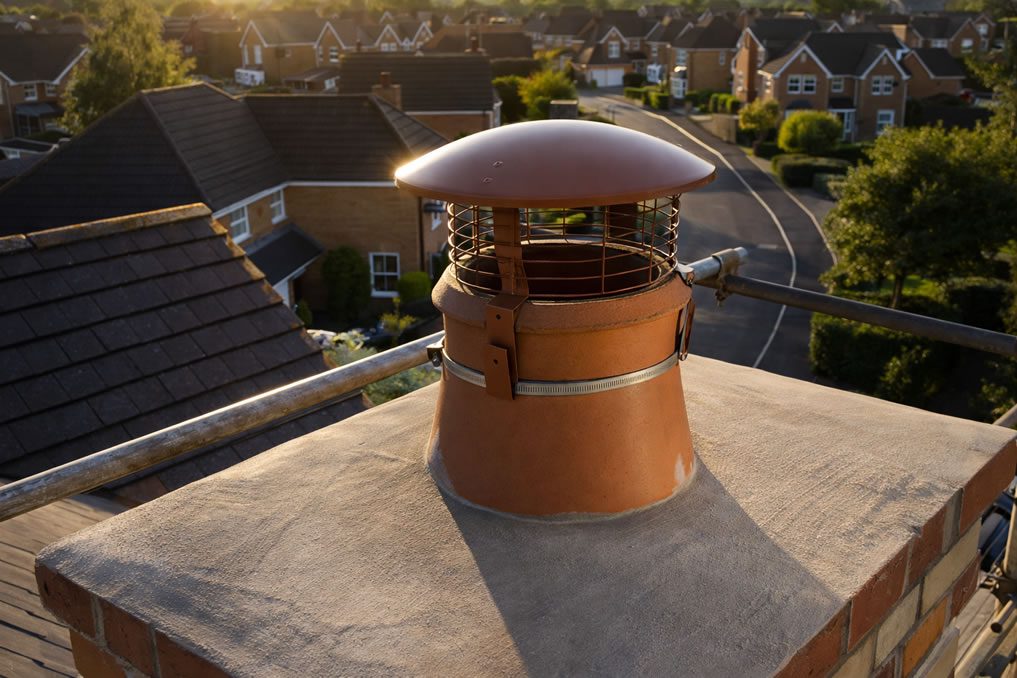
- Chimney cap: covers or partially covers the top of the flue to reduce rain entry. Some caps also allow ventilation.
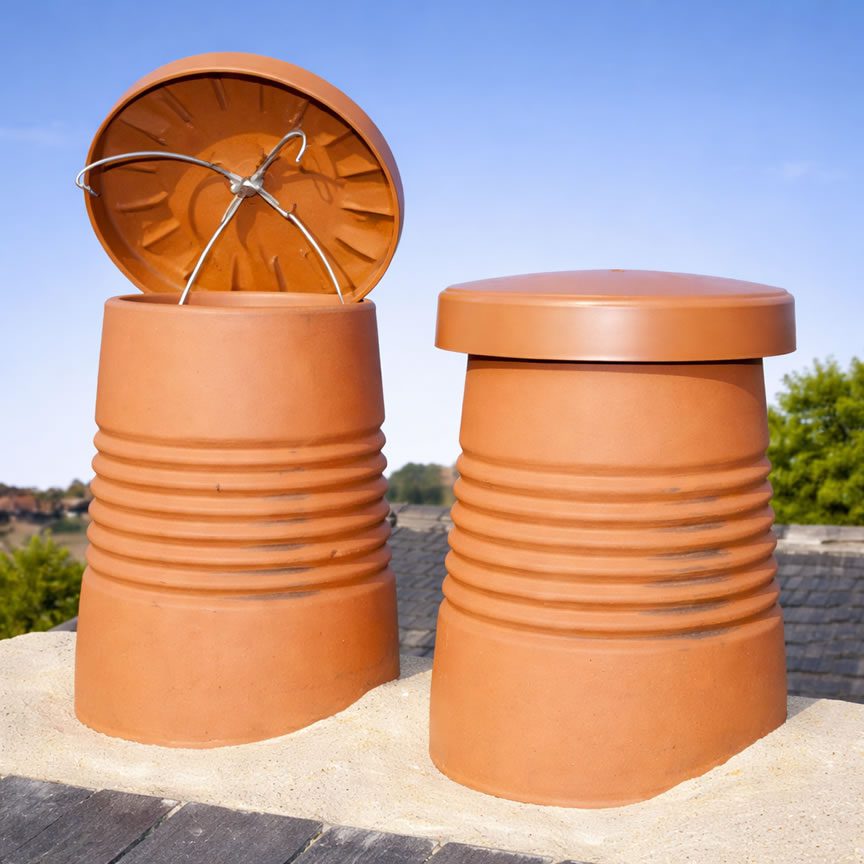
- Chimney cowl: sits on the pot and helps with rain protection, wind performance and sometimes downdraught reduction.
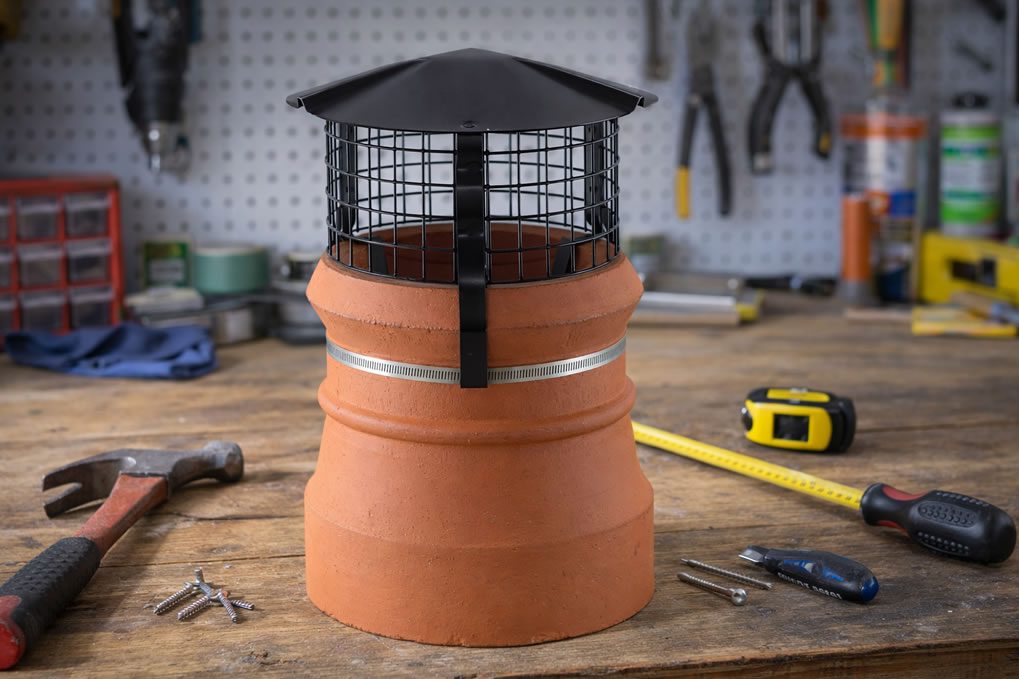
- Bird guard: a mesh guard that stops birds nesting in the flue (often built into a cowl).
Often, one product combines all three functions (for example, a rain cowl with bird mesh).
Signs you might need a chimney cap, cowl or bird guard
You may benefit from a cap/cowl/bird guard if you’ve noticed:
- Damp around the fireplace or chimney breast, especially after rain
- Rainwater marks or smells coming from an unused fireplace
- Birds nesting in the chimney (scratching noises, twigs/debris, blockages)
- Downdraught (smoke blowing back, whistling wind noise)
- A missing, loose or damaged cowl/cap on the pot
- Soot falling into the fireplace or debris inside the flue
- Recurring leaks with no obvious flashing defect
If birds have nested or there may be a blockage, it’s best to arrange professional advice rather than trying to clear it yourself. Sometimes these jobs fall under the pest control trade.
Types of chimney caps and cowls (comparison table)
Different cowls solve different problems. The best option depends on whether the flue is in use and what issue you’re trying to fix.
| Type | Best for | Helps with | Notes |
|---|---|---|---|
| Rain cap / rain cowl | Reducing rain ingress | Rainwater down flue | Good for many situations |
| Bird guard / bird cowl | Preventing nests | Birds, debris blockages | Usually mesh; can be combined with rain cap |
| Anti-downdraught cowl | Wind-related downdraught | Smoke blowback, wind noise | Choose based on flue type/use |
| Ventilated cap (unused chimneys) | Redundant flues | Damp from poor airflow + rain ingress | Allows ventilation while limiting rain entry |
| Spinning cowl | High wind exposure | Downdraught | Needs correct installation and maintenance |
| H-style cowl | Strong winds | Downdraught | Common on some setups |
| Flue terminal (appliance-specific) | Gas appliances / systems | Safe termination | Must match appliance requirements |
Important: the right cowl depends on the type of appliance/flue (if in use). If you have an active solid fuel or gas appliance, always use an appropriate specialist and the correct terminal type.
How caps and cowls help with chimney damp
Many homeowners see damp on a chimney breast and assume the stack is leaking through mortar joints. However, rain can also enter directly down the flue if the chimney pot has no protection. That water then soaks into internal masonry and shows up as damp, staining, or a musty smell.
For unused chimneys, a ventilated cap/cowl often helps because it:
- reduces rain entry, and
- maintains airflow to reduce condensation and trapped moisture.
That’s why caps/cowls often form part of a damp-chimney fix, alongside flashing and mortar checks.
Bird guards: why they matter
Bird nesting in chimneys is common in parts of the UK, especially in spring. Birds can block flues with twigs and debris, which can lead to:
- damp smells and moisture build-up
- soot and debris falling into the fireplace
- ventilation problems in unused chimneys
- safety issues for in-use flues (blockages and poor draw)
A proper bird guard prevents nesting while still allowing the flue to ventilate.
What’s involved in fitting a chimney cap or cowl?
A roofer will usually:
- Inspect the pot and top of stack
They check the pot condition, flaunching, and whether the existing cowl/cap is missing or loose. - Recommend the right type
They select a suitable cap/cowl based on whether the flue is in use, local wind exposure, and the problem you want to solve (rain, birds, downdraught). - Fit and secure the cowl/cap
They attach it securely to the pot so wind can’t dislodge it. - Check surrounding issues
They may also check flaunching and flashing if you’ve had leaks or damp. - Provide photos where practical
Before/after photos help confirm what they fitted and how the stack looks.
Do you need scaffolding to fit a cowl or bird guard?
Not always. Many cowl fittings can be done safely with ladders or an access tower, particularly on lower roofs. However, scaffolding may be needed on taller properties, steep roofs, or where the roofer also needs to repair flaunching, pots or brickwork.
What affects the cost of caps/cowls/bird guards?
Pricing depends on:
- access method (ladders/tower/scaffold)
- number of pots/flues to cover
- cowl type (basic rain cap vs anti-downdraught)
- whether pots/flaunching need repairs first
- roof height and pitch
Adding a photo of your chimney pots often helps roofers quote accurately.
What to check before hiring someone
Before you agree to work, ask:
- what exact cowl/cap type they’re fitting and why
- whether the flue is in use and if the solution is suitable
- how it will be fixed in place (secure fixing matters in wind)
- whether the quote includes checking flaunching and pot stability
- proof of public liability insurance
- warranty/guarantee terms
Get free quotes for chimney caps, cowls and bird guards
Use our enquiry form to request free, no-obligation quotes for fitting or replacing chimney caps, cowls and bird guards. We’ll match your enquiry with suitable local specialists so you can compare options and choose the best fit.
Chimney caps and cowls FAQs
Do chimney caps stop rain coming down the chimney?
A suitable cap or rain cowl can greatly reduce rain entry. However, chimneys can also leak through flashing or masonry defects, so it’s worth checking those too if you have persistent damp.
Do bird guards affect chimney ventilation?
A correctly fitted bird guard should still allow ventilation. For unused chimneys, ventilation is important to reduce condensation-related damp.
Which cowl is best for downdraught?
It depends on wind exposure and flue type. Anti-downdraught cowls come in different designs. A roofer can recommend the best option for your chimney setup.
Can I fit a chimney cowl myself?
Because fitting requires safe access at height, most homeowners choose a professional roofer. Safe access and secure fixing are essential, especially in windy areas.
Do unused chimneys need a ventilated cap?
Often, yes. A ventilated cap/cowl helps limit rain ingress while allowing airflow, which can reduce damp and musty smells.