
A chimney cowl looks like a small add-on, but choosing the right one can make a big difference. The right cowl can:
- reduce rain coming down the flue
- stop birds nesting
- cut downdraught (smoke blowback and wind noise)
- help unused chimneys ventilate and stay drier
The wrong cowl can do the opposite: it can restrict airflow, worsen downdraught, or trap moisture in an unused chimney.
This homeowner guide explains the main chimney cowl types, what each one is for, and how to choose the right option for your setup.
First: is your chimney in use or unused?
Before you pick a cowl, decide whether the flue is:
- in use (open fire, log burner, stove, boiler, gas appliance), or
- unused/redundant (blocked off fireplace, no appliance)
That decision matters because some cowls focus on draw and smoke performance, while others focus on rain protection + ventilation.
If you’re unsure, tell your roofer what you have (open fire vs stove vs unused). It helps them recommend the correct cowl safely.
The 3 most common reasons people fit a chimney cowl
1) Rain protection (water down the chimney)
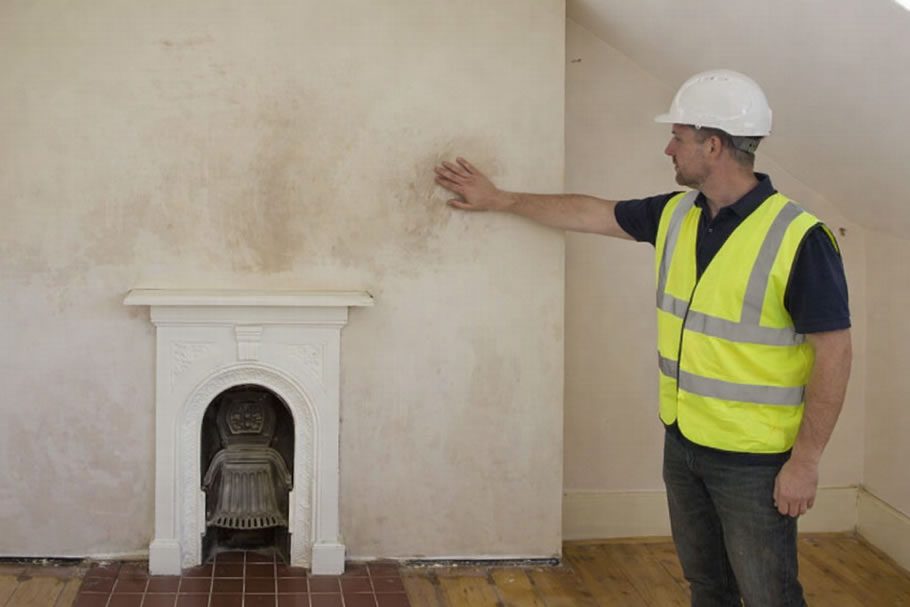
If rain enters straight down the flue, it can cause damp around fireplaces and chimney breasts. A rain cowl/cap helps reduce that.
2) Bird nesting prevention
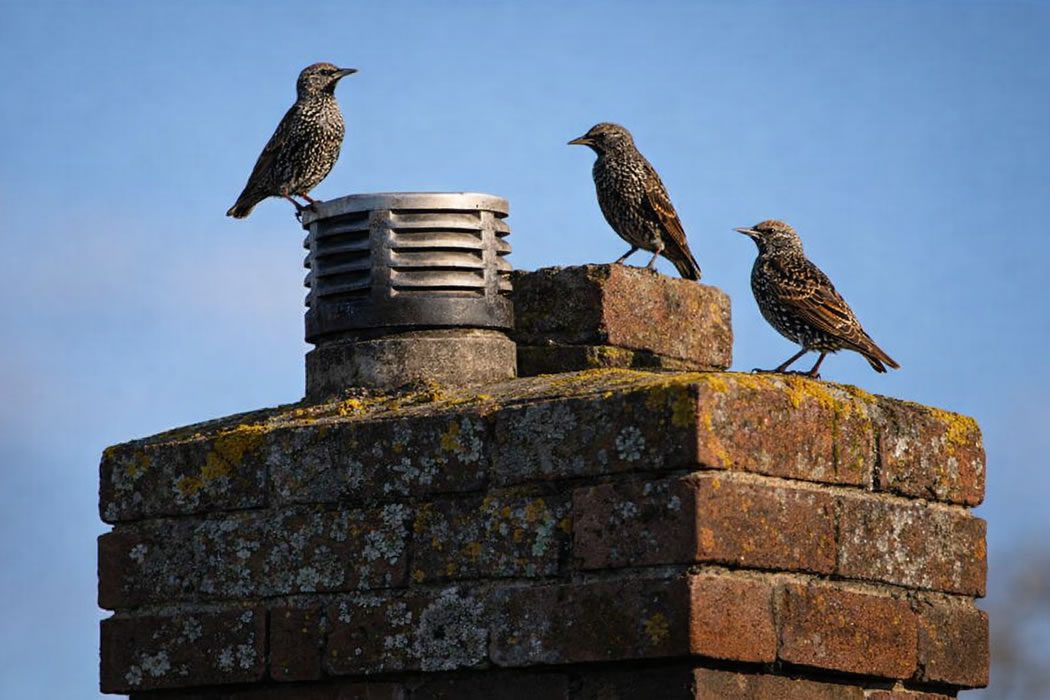
Birds can block chimneys with nests and debris—especially in spring. A bird guard cowl helps prevent blockages and mess. A bit like pest control if you like.
3) Downdraught reduction
Downdraught happens when wind pushes air down the flue instead of letting smoke rise out. It can cause smoke blowback, poor draw, and whistling.
Some cowls are designed specifically to improve wind performance.
Chimney cowl types explained (simple guide)
Below are the main types you’ll come across, what they’re good for, and when to avoid them.
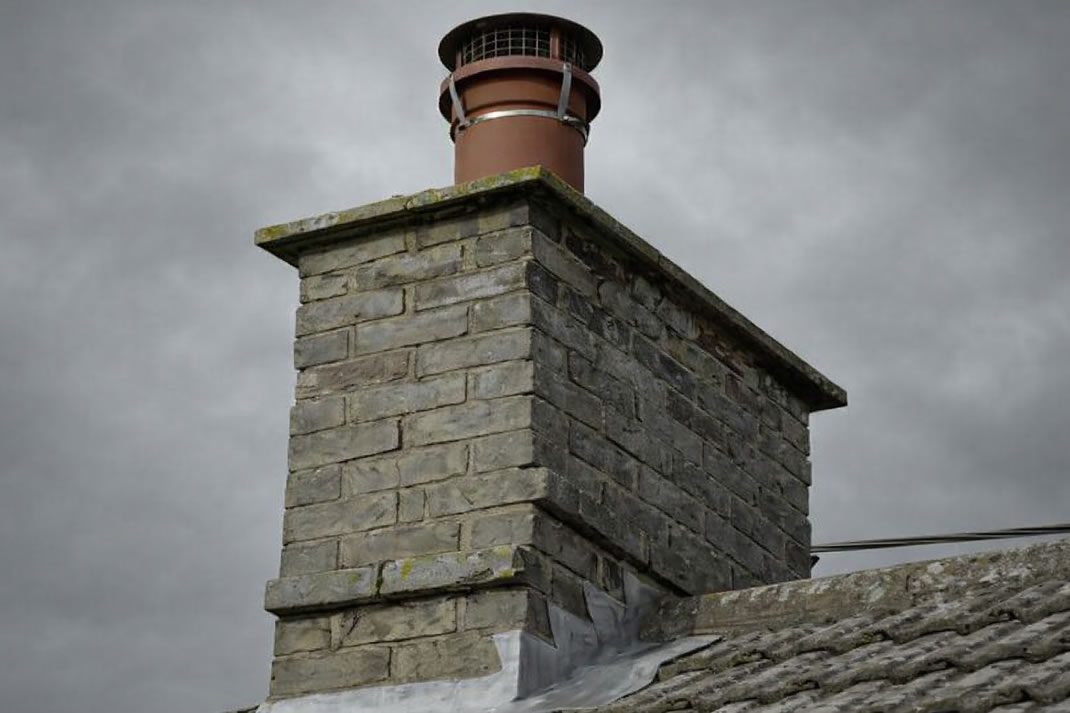
Rain cowl / rain cap (basic rain protection)
Best for: reducing rain entry down the flue
Good if: you get damp smells/staining after rain
Often combined with: bird guard mesh
A rain cowl is one of the most common choices because rain down the flue is a frequent cause of damp—especially on unused chimneys.
Good to know: for unused chimneys, choose a design that still allows airflow (ventilation matters).

Bird guard / bird cowl (mesh protection)
Best for: stopping birds nesting and blocking the flue
Good if: you hear scratching, find debris, or know nesting is common locally
Often combined with: rain protection
Bird guards use mesh to block entry. They help prevent nests and reduce debris falling into fireplaces.
Important: the mesh should not overly restrict the flue, especially if the chimney is in use.

Ventilated cowl/cap (for unused chimneys)
Best for: unused chimneys that get damp or musty
Good if: chimney breast stays damp even in dry weather
Why it helps: it reduces rain entry but keeps air moving, which reduces condensation
This is often the best choice for a blocked-off fireplace because it tackles the two big problems: rain ingress + trapped moisture.

Anti-downdraught cowl (wind performance)
Best for: smoke blowback, poor draw in windy conditions
Good if: smoke comes back into the room or you get strong wind noise
Common designs: H-style, aerodynamic “anti-downdraught” cowls, spinning cowls (varies)
If downdraught is the main issue, a basic rain cap may not help enough. Anti-downdraught cowls are designed to improve airflow and reduce wind turbulence at the pot.
Tip: downdraught can also be caused by room ventilation issues or competing extract fans, so it’s worth discussing symptoms with a professional.

Spinning cowl (rotating)
Best for: certain downdraught situations and wind exposure
Pros: can improve draw in some conditions
Cons: moving parts can wear; needs correct fitting and occasional attention
Spinning cowls aren’t right for every chimney, but they can help in specific windy locations.

“H-style” cowl (windy sites)
Best for: persistent downdraught in exposed locations
Pros: can reduce turbulence and improve draw
Cons: needs correct sizing and fitting
You’ll often see these recommended for chimneys that suffer in strong winds.

Appliance-specific terminals (gas and some systems)
If your chimney serves a specific appliance (especially gas), it may need a particular terminal type.
Important: don’t fit a random cowl to an appliance flue. Use the correct, appliance-approved terminal and seek qualified advice.
Quick chooser: which cowl do you likely need?
Use this as a starting point:
| Problem | Most likely best cowl type |
|---|---|
| Damp smells / rain after storms (unused chimney) | Ventilated cap/cowl |
| Birds nesting / debris | Bird guard cowl (often with rain protection) |
| Rain coming down the flue (in-use or unused) | Rain cap/cowl (check ventilation needs) |
| Smoke blowback / downdraught | Anti-downdraught cowl (design depends on setup) |
| Wind noise / whistling | Anti-downdraught cowl (often helps) |
A roofer can confirm after checking the chimney pot and how exposed your property is.
Common mistakes homeowners make with cowls
Choosing a fully sealed cap on an unused chimney
That can trap moisture and worsen damp. Unused chimneys usually benefit from ventilation.
Fitting the wrong cowl for downdraught
A rain cap won’t always fix smoke blowback. Downdraught often needs a purpose-made anti-downdraught cowl.
Ignoring other chimney defects
A cowl won’t fix:
- failed lead flashing
- cracked flaunching
- open mortar joints/spalled bricks
If you have damp, a roofer should check these too.
Do you need scaffolding to fit a chimney cowl?
Not always. Many cowls can be fitted using ladders or an access tower on lower roofs. However, scaffolding is more likely when:
- the roof is steep or high
- the chimney is at the rear over an extension/conservatory
- pots are loose or flaunching needs repair at the same time
Often it makes sense to bundle cowl fitting with other top-of-stack repairs while access is in place.
What to ask for in a quote
To avoid the wrong cowl being fitted, ask:
- what cowl type they recommend and why
- whether your chimney is in use or unused (and how that affects choice)
- how it will be fixed securely (wind matters)
- whether they’ll check flaunching, pots and flashing while up there
- whether they’ll provide before/after photos
- warranty/guarantee details
Need help choosing and fitting a chimney cowl?
If you’re dealing with downdraught, rain ingress or birds nesting, you can request free, no-obligation quotes from local specialists. Share what problem you’re seeing and add a photo of the chimney pot if you can—roofers can often recommend the best cowl type quickly.
FAQs
Which chimney cowl stops rain coming down the chimney?
A rain cap/rain cowl helps reduce rain entry. For unused chimneys, a ventilated version is often best to prevent trapped moisture.
Which cowl is best for downdraught?
Anti-downdraught cowls are designed for smoke blowback and wind issues. The best design depends on your chimney setup and how exposed your property is.
Do bird guards restrict airflow?
A correctly sized bird guard should still allow ventilation and normal draw. However, it needs to be suitable for the flue type—especially if the chimney is in use.