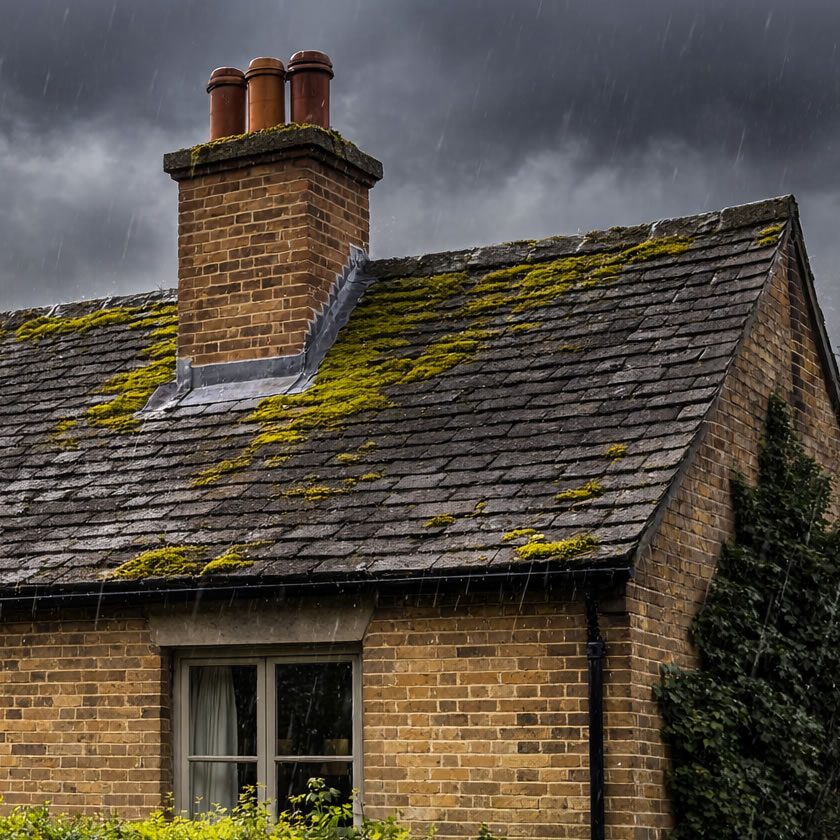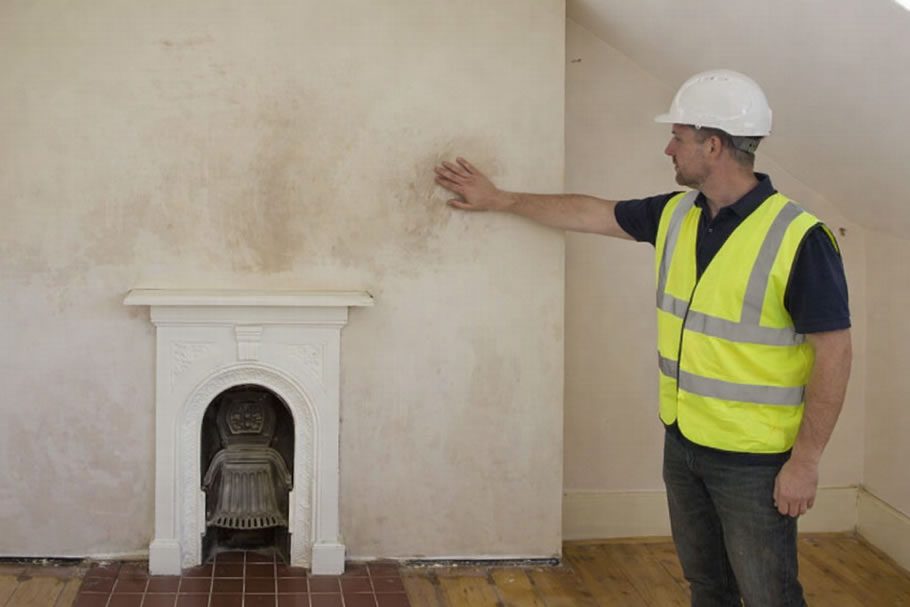

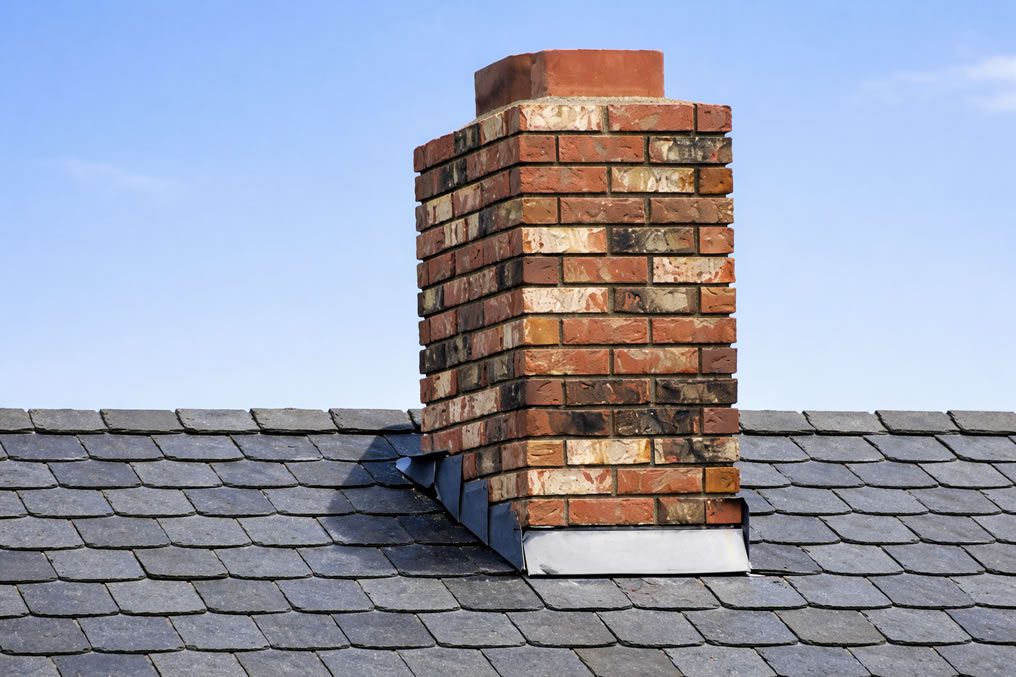
When you spot a damp patch on a ceiling or water marks in the loft, it’s tempting to blame “the roof”. However, chimneys are one of the most common leak sources on UK homes — and water can travel in ways that make the true entry point hard to spot.
This guide helps you work out whether your leak is more likely roof-related (tiles, underlay, valleys, gutters) or chimney-related (flashing, flaunching, mortar, caps/cowls). You’ll also get a simple checklist you can use before you request quotes.
First: why leaks near chimneys are confusing
Water rarely drips straight down in a neat line. Instead, it can:
- enter at the roof or chimney junction,
- run along timbers,
- soak insulation,
- then appear as a patch some distance away.
That’s why you need to look for patterns: when it happens, where it shows, and what’s happening outside.

Step 1: Where is the damp showing up inside?
More likely chimney-related
- Damp follows the line of the chimney breast (upstairs/downstairs in the same vertical area)
- Staining appears on the ceiling close to the chimney line
- Water marks appear around an old fireplace opening
- Musty smell around a blocked-up chimney
More likely roof-related
- Damp patch is far away from the chimney breast line
- Patch spreads across the ceiling in a way that matches joist direction
- Multiple patches appear across different areas of the roof slope
- The leak appears close to valleys, roof windows, gables, or eaves
Step 2: When does the leak happen?
Timing is one of the best clues.
Chimney leaks often:
- show up during storms or wind-driven rain
- appear after heavy rain, then linger because the chimney stack stays wet
- worsen when rain hits from a certain direction (exposed elevation)
Roof leaks often:
- show up in steady rain over a longer period
- happen when gutters overflow (heavy rain + blockages)
- appear after tile/slate movement (often following storms)
Step 3: Check common chimney leak points (from ground level)
You don’t need to climb onto the roof. From a safe position, look for these common chimney problems:
1) Lead flashing issues
- Lead looks lifted, split, or heavily patched with sealant
- Gaps at corners where roof meets chimney
- Mortar where lead enters brickwork looks cracked/missing
What it usually causes: loft damp near the stack, ceiling stains near chimney line, damp chimney breast.
2) Cracked flaunching and loose pots
- Cement around chimney pots is cracked or missing
- Pots look tilted or unstable
What it usually causes: water ingress from the top, damp chimney breast.
3) Missing cowl/cap
- No rain cap or cowl on the pot
- Signs of birds nesting (twigs/debris)
What it usually causes: damp around fireplace area, musty smell, damp breast after rain.
4) Weathered mortar / spalled bricks
- Open mortar joints, crumbly pointing
- Brick faces flaking (spalling)
What it usually causes: chimney stack saturates and feeds damp into breast.
If you spot any of the above, chimney-related repairs are likely part of the solution.
Step 4: Check common roof leak points (also from ground level)
Now look at the roof slope around the problem area:
1) Missing/slipped tiles or slates
A single slipped tile can leak in heavy rain, especially if underlay is old or torn.
2) Valleys and junctions
Valleys handle a lot of water. Small defects can leak badly during downpours.
3) Gutters and downpipes
Overflowing gutters can soak fascia boards and walls and mimic roof leaks.
4) Roof vents, soil pipes, skylights
Penetrations need good seals. Failed collars and seals can leak especially around skylights and Velux repairs might be the answer.
If you see obvious roof defects away from the chimney, it’s more likely roof-related.
Quick diagnostic table: chimney vs roof
| Clue | More likely chimney-related | More likely roof-related |
|---|---|---|
| Damp aligns with chimney breast | ✅ | Unlikely |
| Worse in wind-driven rain | ✅ | Sometimes |
| Loft damp close to stack | ✅ | Sometimes |
| Stain far from chimney line | Unlikely | ✅ |
| Slipped tiles visible | Sometimes | ✅ |
| Gutter overflow marks | Sometimes | ✅ |
| Musty fireplace smell | ✅ | Unlikely |
| Leak persists in dry weather | Could be condensation | Unlikely |
A practical checklist you can use (10 minutes)
- Note timing: light rain vs storms vs ongoing
- Note location: chimney breast line or elsewhere
- Check outside: flashing, flaunching, cowl/cap, mortar
- Check roof: slipped tiles, valleys, gutters, vents
- If safe, check loft for damp near the stack and along timbers
- Take photos of everything you can see safely
- Request quotes with your notes and photos
What fixes usually apply (depending on the cause)
If it’s chimney-related
Common fixes include:
- chimney flashing repair/replacement (leadwork)
- flaunching repairs and pot re-bedding
- chimney cowl/cap fitting (often ventilated if unused)
- repointing and brick repairs
If it’s roof-related
Common fixes include:
- replacing slipped/broken tiles or slates
- roof valley repairs
- underlay/batten repairs
- gutter clearing and repairs
- repairs around vents and roof penetrations
If you’re not sure, a roofer can inspect and confirm the entry point quickly.
When to get urgent help
Act quickly if:
- debris is falling from the chimney
- you suspect a loose pot or lifted flashing in high winds
- the leak is heavy and soaking electrics, plaster, or timbers
- you see a leaning chimney or bulging brickwork
Get help with roof and chimney leaks
If you want to stop the leak properly, the key is to fix the true entry point. You can request free, no-obligation quotes and we’ll match your enquiry with suitable local specialists. Add photos if you can — they help roofers diagnose and quote accurately.
FAQs
If the stain is near the chimney, is it always the chimney?
Not always. Roof tiles, valleys, gutters, and roof vents near the chimney can also leak. However, flashing and top-of-stack defects are very common, so it’s worth checking both.
Why does the leak only happen in storms?
Wind-driven rain pushes water into gaps around flashing, tiles, and valleys. It can also overwhelm blocked gutters.
Can a roof leak travel and show up somewhere else?
Yes. Water can travel along timbers and underlay before appearing as a ceiling stain, so the visible patch isn’t always the entry point.