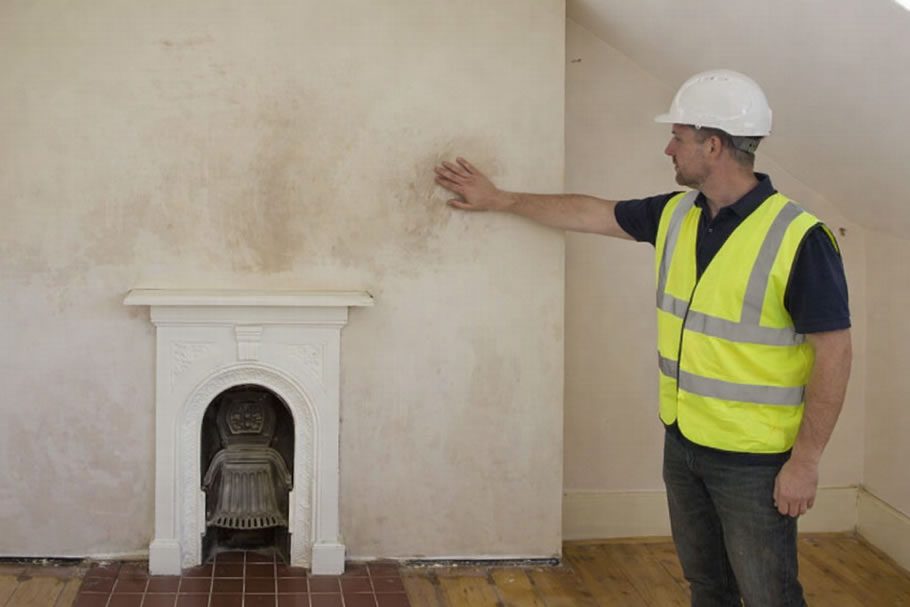

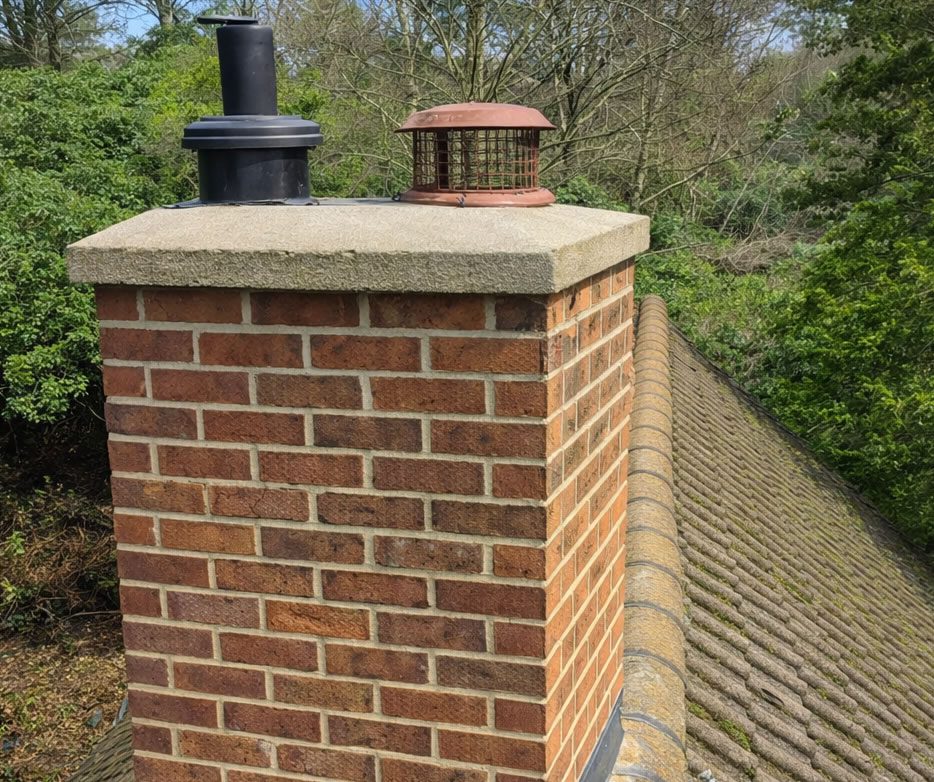
Repointing fixes mortar joints. It can strengthen a chimney stack and reduce water ingress when the brickwork is still sound. However, sometimes the problem goes beyond mortar. If bricks have started to fail, sections have loosened, or the stack has moved, repointing can become a short-term patch rather than a lasting repair.
This guide explains:
- when repointing works well
- the clear signs repointing won’t be enough
- what a partial chimney rebuild involves
- how to compare quotes and avoid repeat repairs
What repointing can (and can’t) fix
Repointing is usually enough when:
- mortar joints are cracked or recessed
- bricks remain solid and stable
- the chimney is upright and not moving
- damage is localised and not structural
Repointing is not enough when:
- bricks are failing, loose, or spalling widely
- parts of the stack have started to move or lean
- the top section has broken down (flaunching/pots/brickwork)
- you keep fixing the same leak and it returns
In simple terms: repointing repairs joints, not structural failure.
9 signs you likely need a partial chimney rebuild
A partial rebuild usually means rebuilding the upper section of the stack—often above the roofline—while leaving the lower section intact if it’s sound.
1) Bricks are spalling across multiple areas
If many bricks have lost their faces (flaking, crumbling, “blown” bricks), repointing won’t restore strength. At that point, the stack needs brick replacement or a rebuilt section.
What to look for:
- widespread flaking brick faces
- corners breaking away
- gritty debris in gutters
2) Bricks feel loose or mortar falls out easily
If bricks move or joints are washing out, the stack can’t rely on mortar alone. Repointing over weak masonry often fails quickly.
Warning: never test stability by pushing bricks if there’s any risk of loose masonry.
3) The chimney is leaning or looks out of plumb
A leaning stack suggests movement. Repointing alone won’t straighten or stabilise a chimney that’s shifted.
Clues:
- a visible lean compared with vertical lines (downpipes/window edges)
- widening cracks on one side
- flashing pulling away at the junction
4) Bulging brickwork or stepped cracking
Bulging and stepped cracking often indicate structural distress, not just surface weathering.
Clues:
- a “belly” in the stack profile
- stepped cracks following brick joints
- gaps opening at corners
5) The top of the stack has broken down
If flaunching has failed badly, pots are loose, and the top courses look weathered, patch repairs may not last. A partial rebuild resets the top section properly.
Clues:
- repeated flaunching failures
- pots wobbling or moving in wind
- missing bricks at the top
6) Repointing keeps failing every winter
If you’ve repointed (or had it repointed) and the joints crack again quickly, the chimney may be too saturated or the bricks too degraded. A rebuild may be more cost-effective long-term.
7) Leaks keep returning after “fixes”
A recurring leak can mean the chimney structure is compromised. If leadwork and caps have been addressed but the leak returns, the stack itself may be the problem.
8) Falling debris or masonry in gutters
Debris often means the stack is actively breaking down. That’s both a maintenance problem and a safety issue.
9) A roofer says the bricks are too soft to repoint
Sometimes the mortar isn’t the weak point—the bricks are. If bricks are soft and crumbling, new mortar won’t hold.
Partial rebuild vs repointing vs removal (quick comparison)
| Option | Best when | Pros | Cons |
|---|---|---|---|
| Repointing | Mortar failing, bricks sound | Lower cost, extends life | Won’t fix structural failure |
| Partial rebuild | Upper stack failing/unstable | Long-term fix, improves safety | Higher cost, often scaffolding |
| Removal | Chimney redundant or beyond repair | Removes future maintenance | Needs roof making good, structural considerations |
What a partial chimney rebuild typically involves
A good roofer will explain the scope clearly, but typical steps include:
- Safe access (often scaffolding)
- Dismantling the failed upper section to a sound point
- Rebuilding with suitable bricks and appropriate mortar
- Re-bedding or replacing chimney pots
- Renewing flaunching with correct falls
- Checking/repairing lead flashing (and rear tray if needed)
- Making the roof watertight and tidying the site
Because you already have access, many roofers also recommend bundling related repairs so the new stack stays dry.
Why a partial rebuild can be better value than repeat repairs
Repointing is cheaper upfront. However, repeated patch repairs can cost more over time if:
- access costs repeat (scaffold/tower)
- leaks keep damaging plaster and timbers
- bricks continue to fail and spread damage
A partial rebuild can stop the cycle and give you a stable, watertight top section.
What to ask in quotes (so you compare properly)
Ask each roofer:
- exactly how much of the stack will be rebuilt (above roofline only or more)
- whether flashing and flaunching are included
- whether pots/cowls are included and how they’ll be secured
- whether the roof will be left fully watertight (tiles/slates included)
- access method and scaffold costs included
- waste removal included
- warranty/guarantee terms
- before/after photos provided
- proof of public liability insurance
A detailed scope helps you avoid vague “rebuild chimney” quotes that hide exclusions.
Get help if you suspect a rebuild is needed
If your chimney shows any of the signs above—leaning, bulging, loose bricks, widespread spalling, or recurring leaks—request free, no-obligation quotes from local specialists. Add photos if you can, because they help roofers assess the likely scope and access needs.
FAQs
Can a partial rebuild fix a leaking chimney?
Yes, if the leak comes from failing brickwork or top-of-stack defects. Roofers often combine rebuild work with flashing and flaunching renewal for a watertight finish.
Is a partial rebuild always above the roofline?
Often, yes. Many chimneys fail most at the top because it’s most exposed. A roofer will rebuild down to a sound point.
Do I always need scaffolding?
Not always, but it’s common for rebuild work. Safe access is important because rebuilds involve structural work at height.