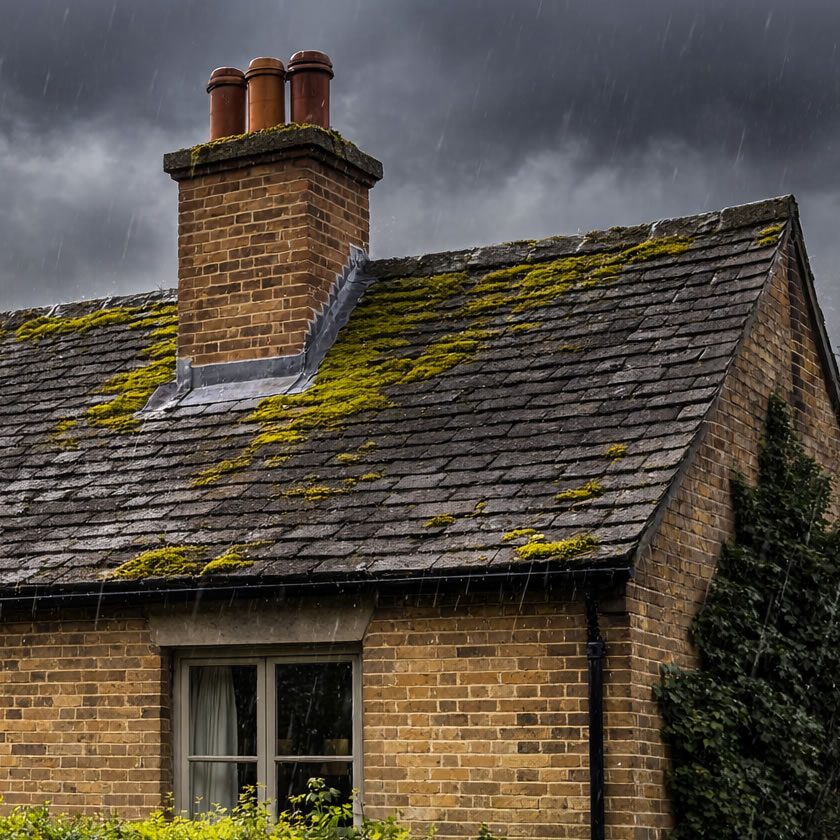

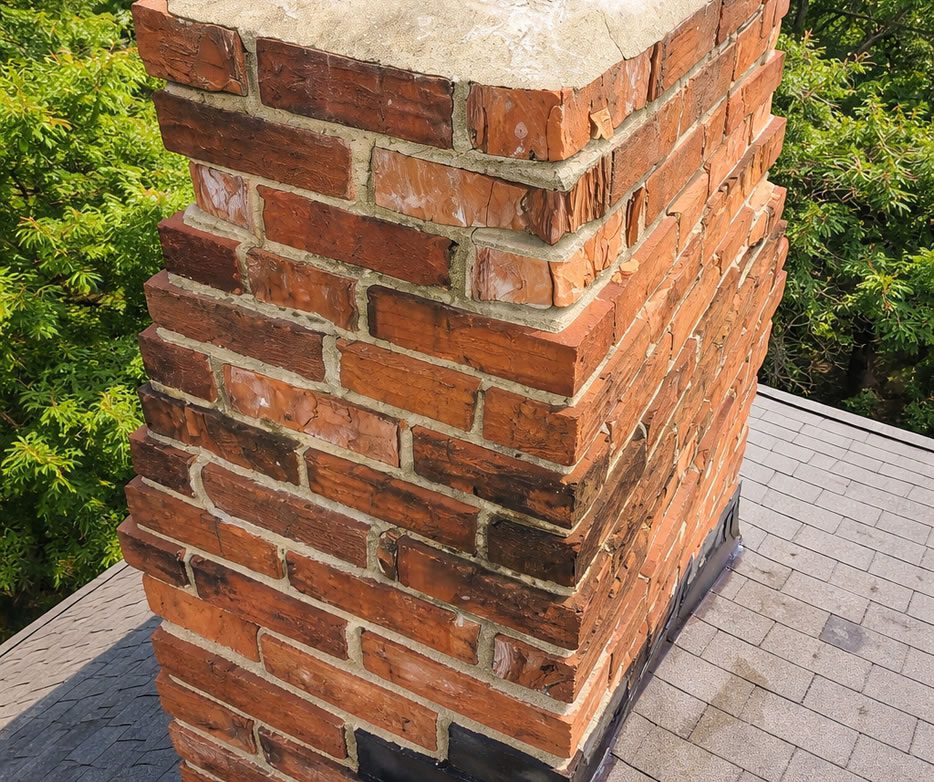
If the faces of your chimney bricks are flaking, crumbling, or “blowing,” you’re probably looking at spalling bricks. It’s common on UK chimneys because stacks sit fully exposed to rain, wind and frost. Once spalling starts, it often spreads unless you fix the moisture source.
In this post we’ll cover:
- what spalling is (and how it differs from simple weathering)
- the main reasons chimneys spall
- how to judge severity and safety
- repair options (brick replacement, repointing, partial rebuild)
- what to ask for in a quote so the fix lasts
What are spalling bricks?
Spalling happens when the outer face of a brick breaks away. You might notice:
- flaky surfaces or thin layers popping off
- crumbling corners and edges
- brick faces breaking down into gritty debris
- bits of brick in gutters or on the ground
On a chimney, spalling often appears first on the most exposed side (the side that takes the worst wind-driven rain).
Why chimney bricks spall
Spalling almost always comes back to moisture.
1) Freeze–thaw damage (the most common cause)
Bricks absorb water. When temperatures drop, the water freezes and expands. That expansion breaks down the brick face over repeated cycles.
Because chimneys stay colder and wetter than walls at ground level, freeze–thaw hits them harder.
2) Open mortar joints and failed pointing
Cracked or recessed mortar joints let more water into the stack. As a result, bricks stay wet longer and spall faster.
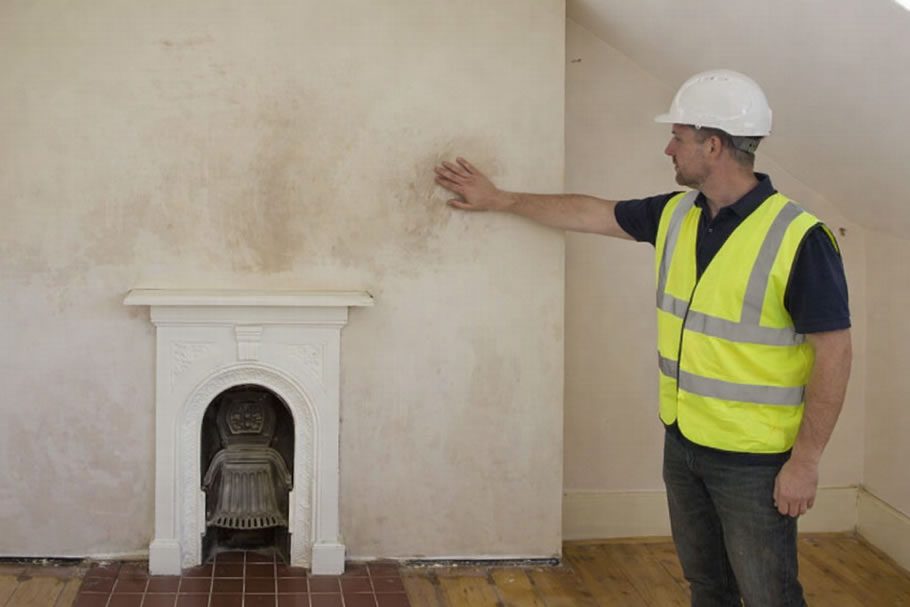
3) Leaks feeding moisture into the stack
Even good bricks can fail if the chimney stays saturated. Common moisture entry points include:
- lifted or cracked lead flashing
- cracked flaunching at the top of the stack
- missing cowls/caps letting rain down the flue
4) Unsuitable mortar on older chimneys
On some older stacks, overly hard mortar can stop moisture escaping through the joints. Then bricks take the brunt and start to break down.
5) Coastal exposure and driving rain
Salt air and persistent driving rain keep brickwork damp and can speed up deterioration.
How to tell if spalling is minor or serious
Some spalling is cosmetic, but loose masonry at height is always a risk. Use this guide:
Lower concern (still fix soon)
- a small number of bricks have flaking faces
- bricks are still solid and not moving
- no debris falling into gutters or onto paths
Higher concern (act quickly)
- many bricks have spalled across several areas
- mortar joints are missing and bricks feel loose
- debris is falling
- the chimney looks bulged, cracked, or leaning
- pots wobble or the top looks unstable
If you suspect loose masonry, keep people away from the area below and book an inspection.
Repair options for spalling chimney bricks
There isn’t one “best” fix for every chimney. The right repair depends on how widespread the spalling is and whether the stack is still stable.
Option 1: Replace damaged bricks + repoint (common and effective)
Best when spalling is localised and the chimney is stable.
What it involves:
- cutting out spalled bricks
- fitting new bricks (ideally matching size/appearance)
- repointing surrounding joints properly
Why it works: you remove the weak bricks and seal the joints so water stops soaking in.
Option 2: Repointing only (only if bricks are still sound)
Best when mortar is the main issue and bricks haven’t degraded much.
What it involves:
- raking out and renewing mortar joints
- checking and fixing moisture entry points
Limitations: repointing won’t restore bricks that have already lost their faces.
Option 3: Partial rebuild above the roofline (best for widespread spalling)
Best when the upper section is failing, loose or heavily spalled.
What it involves:
- dismantling the failing top section
- rebuilding with suitable bricks and mortar
- renewing flaunching and checking flashing
Why it works: it resets the worst-affected section and improves stability.
Option 4: Full rebuild or removal (when the chimney is beyond repair)
Best when the chimney is unstable, leaning, or widely deteriorated.
What it involves:
- rebuilding more of the stack, or
- removing the chimney if it’s redundant and unsafe
Why it works: it avoids repeated patch repairs that fail again.
Fix the cause, not just the symptoms
A repair won’t last if the chimney keeps getting wet. A good roofer will also check:
- lead flashing and soakers at the roof junction
- flaunching and pot stability at the top
- cowls/caps (rain down flue)
- mortar joint condition across the stack
- rear tray/back gutter behind the chimney (pitched roofs)
If you’re paying for access (especially scaffolding), it’s smart to fix these while the roofer is up there.
Should you seal or paint spalling bricks?
It’s tempting, but sealing without fixing the moisture route can trap water and worsen spalling in some cases. On chimneys, a better approach is usually:
- stop water ingress (flashing/flaunching/cap/cowl)
- replace damaged bricks
- repoint with suitable mortar
If a roofer recommends a treatment, ask whether it’s breathable and whether the chimney is dry and sound first.
What to ask in a quote (so you don’t pay twice)
Ask for:
- which bricks will be replaced and how many are included
- whether they will repoint the stack (and which elevations)
- what they’ve identified as the moisture source
- whether flashing/flaunching/cowls need work too
- access method (ladder/tower/scaffold) and whether included
- before/after photos
- guarantee/warranty terms
A clear scope usually means a more durable repair.
Get help repairing spalling chimney bricks
If your chimney bricks are spalling, it’s worth dealing with it before the damage spreads. You can request free, no-obligation quotes from local specialists. Add photos of the stack if you can—roofers can often tell a lot from a clear image.
FAQs
What causes spalling on chimney stacks?
Moisture plus freeze–thaw cycles are the main cause. Open mortar joints, failed flashing, cracked flaunching and missing cowls/caps can keep the chimney wet and accelerate spalling.
Can spalling bricks be repaired without rebuilding?
Often yes. Many chimneys only need local brick replacement and repointing if the structure is stable. Widespread spalling may require a partial rebuild.
Is spalling dangerous?
It can be. Loose masonry at height can fall. If debris is falling or the chimney looks unstable, keep people away from the area below and arrange an inspection.