
Chimney removal can be a smart move when a chimney is redundant, keeps leaking, or has become unstable. Some homeowners remove chimneys to reduce ongoing maintenance, while others do it during renovations to gain space by removing chimney breasts.
However, “chimney removal” can mean a few different jobs — and the rules and approvals can change depending on what you remove and what type of property you own.
This guide explains:
- the main types of chimney removal (stack vs breast vs full removal)
- what the work typically involves
- what approvals might apply (Planning, Building Regulations, Party Wall)
- the key questions to ask before you accept a quote
1) What do you mean by “chimney removal”?
Most chimney removal work falls into one of these categories:
A) Chimney stack removal (above the roofline)
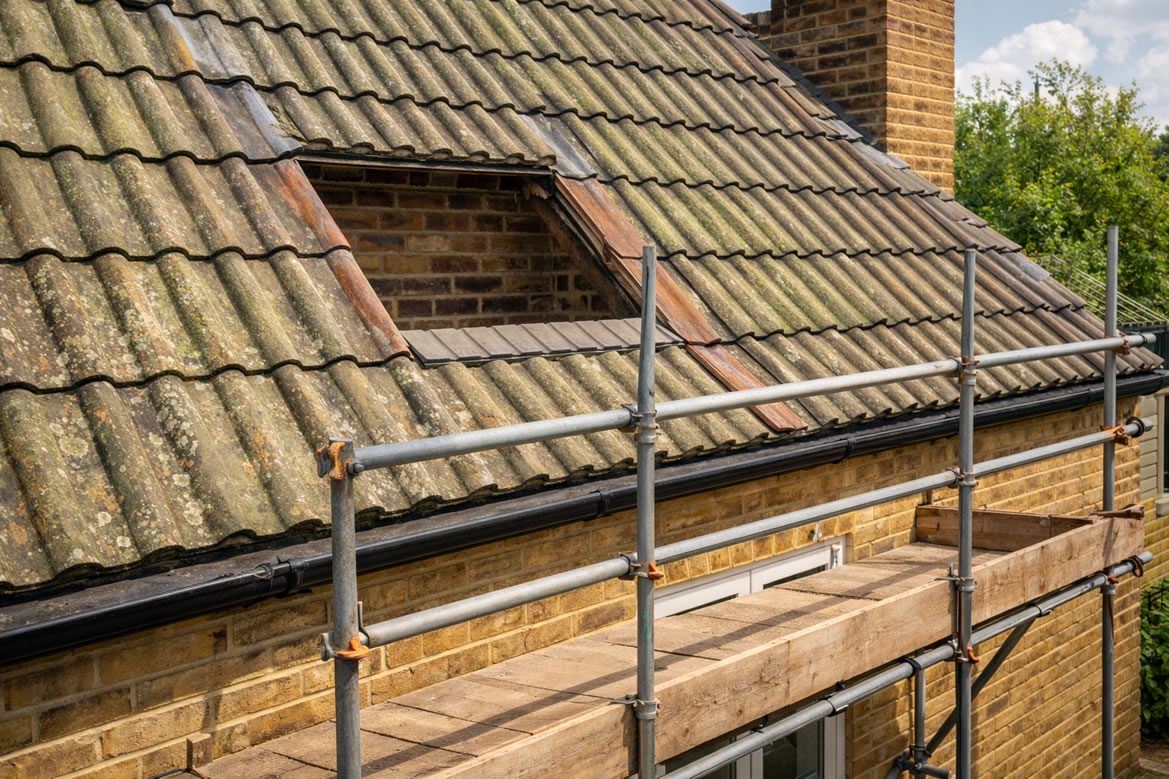
This removes the brick stack you see on the roof. The roofer then makes the roof watertight again.
Common reasons: instability, storm damage, repeated leaks, reducing maintenance.
B) Chimney breast removal (inside the house)
This removes the internal part that projects into rooms. It can be:
- ground floor only
- first floor only
- both floors
Common reasons: gaining space, renovations, reconfiguring rooms.
C) Full chimney removal (stack + breasts + flue)
This is a bigger renovation project that removes most or all of the chimney structure.
D) Capping/venting (not removal)
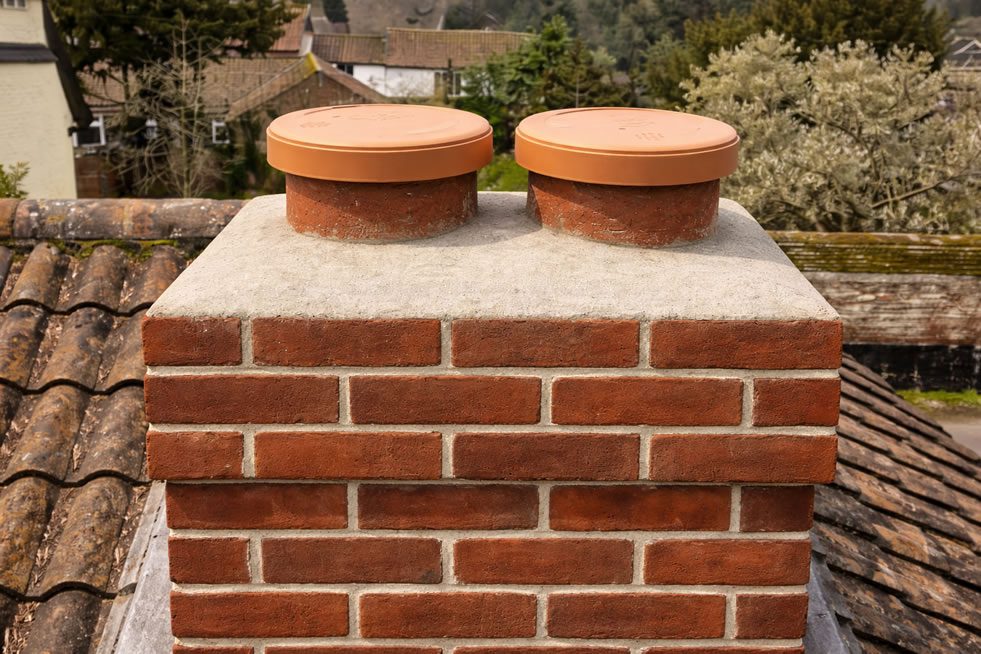
If the chimney is unused and you mainly want to reduce damp/rain ingress, fitting a ventilated cap/cowl can sometimes solve the problem without demolition.
2) What’s involved in chimney stack removal?
A typical chimney stack removal quote should include:
- Safe access
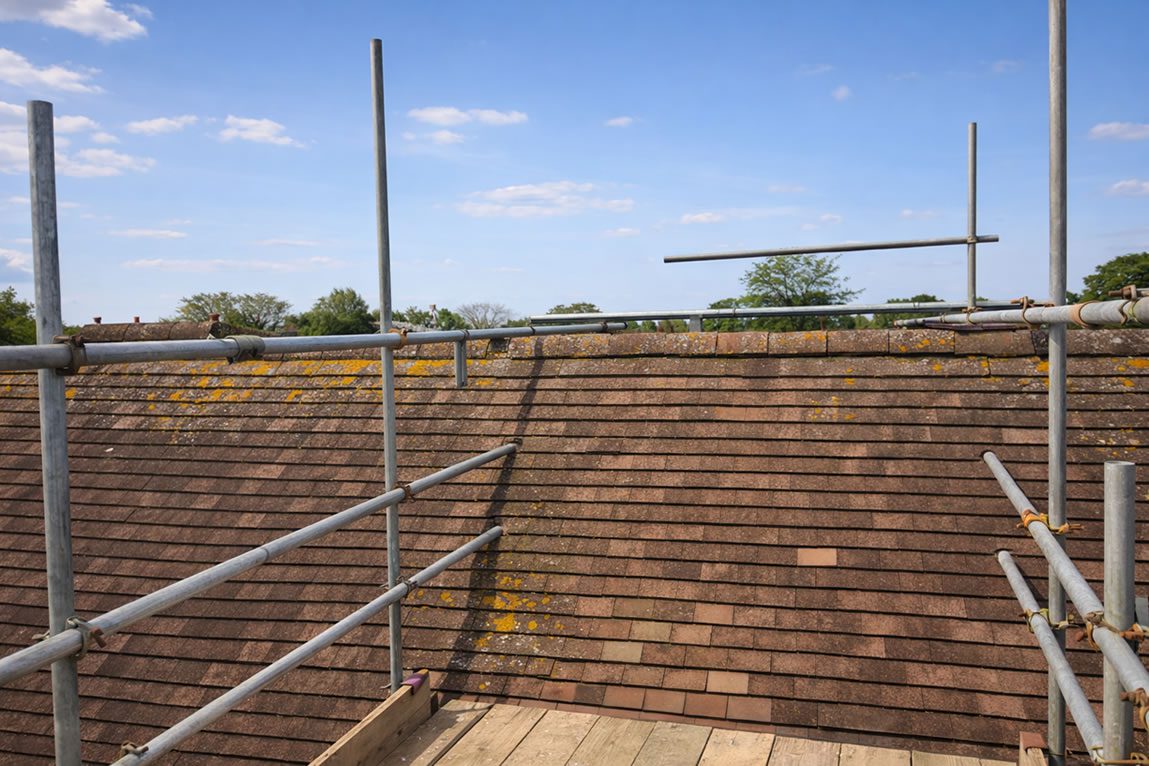
Often scaffolding, especially on taller homes or steep roofs. - Dismantling the stack
The roofer dismantles brickwork down to an agreed level, often the roofline. - Weatherproofing and roof making good
This is the critical part. A proper job includes:- replacing tiles/slates
- making good underlay/battens where needed
- reworking flashing details as required
- ensuring the roof is fully watertight
- Waste removal
Chimney rubble is heavy, so disposal should be included and handled safely. Like getting the right uk size of skip. - Tidy-up and evidence
Before/after photos help you see what was done.
3) What’s involved in chimney breast removal?
Chimney breast removal is often more structural than homeowners expect. A typical job involves:
- Assessing structural support
Chimney breasts can support masonry above. If you remove a breast on a lower floor but keep the stack or breast above, you usually need structural support (commonly steelwork). - Demolition and rubble removal
Chimney masonry is heavy and dusty, so a good contractor protects the space and plans waste removal. - Making good
The contractor repairs walls and ceilings where the breast was removed. Some quotes include basic patching, while others include full plastering and finishing. - Drying and redecoration
If plastering is involved, you’ll need drying time before redecorating.
4) Chimney removal on terraced and semi-detached houses (shared stacks)
Many terraces and semis have shared chimney stacks or chimneys built into party walls. That can affect:
- what you can remove (and how)
- access and sequencing
- whether you need to notify a neighbour under party wall rules
If you share a stack, you’ll want a contractor who understands how to keep everything stable and watertight for both properties.
5) What approvals might apply?
Rules vary by property and location. The sections below explain what may apply — your contractor or local authority can confirm for your exact situation.
A) Building Regulations (often relevant for chimney breast removal)
If you remove a chimney breast, you may alter load paths and structural support. Because of that, Building Regulations approval often applies.
Even if the work is done well, getting the correct sign-off helps protect you if you sell the property later.
B) Planning permission (sometimes relevant)
Many chimney stack removals on typical houses are treated as permitted development. However, you may need planning approval if:
- the property is listed
- you’re in a conservation area
- you change the appearance significantly in a restricted area
- your local authority has specific controls
C) Party Wall etc. Act 1996 (often relevant for shared chimneys)
If the chimney is on a party wall or shared between you and a neighbour, the Party Wall etc. Act 1996 may apply. That can involve serving notice and agreeing how work is carried out.
If you’re in a terrace or semi, always flag “shared chimney” early when you get quotes.
6) Key risks and pitfalls to avoid
Don’t accept a vague “remove chimney” quote
A proper quote should specify:
- what will be removed (stack, breast, full)
- to what level (roofline or below)
- how the roof will be made watertight
- what structural supports are included (for breast removal)
- whether scaffolding and waste removal are included
Don’t forget ventilation on unused flues
If you remove only part of the chimney or cap it off, you still need sensible ventilation to avoid trapped moisture and damp.
Don’t underestimate mess and disruption
Chimney breast removal creates rubble and dust. A good contractor will protect floors and plan waste routes.
7) Questions to ask before you book chimney removal
Use this checklist:
- Exactly what are you removing, and on which floors?
- Is the chimney shared (terrace/semi) and how will that be handled?
- What access method will you use (scaffold/tower) and is it included?
- For stack removal: how will you make the roof watertight (tiles, underlay, flashing)?
- For breast removal: what structural support is included (steel/other), and will it be signed off?
- Is waste removal included?
- What is the timescale and what happens if weather delays roof work?
- What warranty/guarantee applies (especially for roof watertightness)?
8) Should you remove the chimney or repair it?
Sometimes chimney repairs are better value, especially if the chimney is still structurally sound. However, removal can make sense if:
- the chimney is redundant
- the stack is unstable or repeatedly failing
- repair costs keep repeating (especially with scaffold costs)
A roofer can help you compare “repair vs rebuild vs remove” based on your chimney’s condition.
Need quotes for chimney removal?
If you’re considering chimney removal, request free, no-obligation quotes. Include photos of the chimney stack and, if you’re removing a breast, photos of the rooms involved. Clear information helps specialists scope the work and advise on access and any approvals.
FAQs
Do I need planning permission to remove a chimney?
Often not for standard houses, but it may apply for listed buildings, conservation areas, or where local restrictions exist. Check for your property and location.
Do I need Building Regulations for chimney breast removal?
Often yes, because chimney breast removal can affect structural support. Your contractor should advise what applies and how sign-off will be handled.
Does the Party Wall Act apply?
It can if the chimney is shared or forms part of a party wall, which is common in terraces and semis. It’s best to discuss this early before work starts.