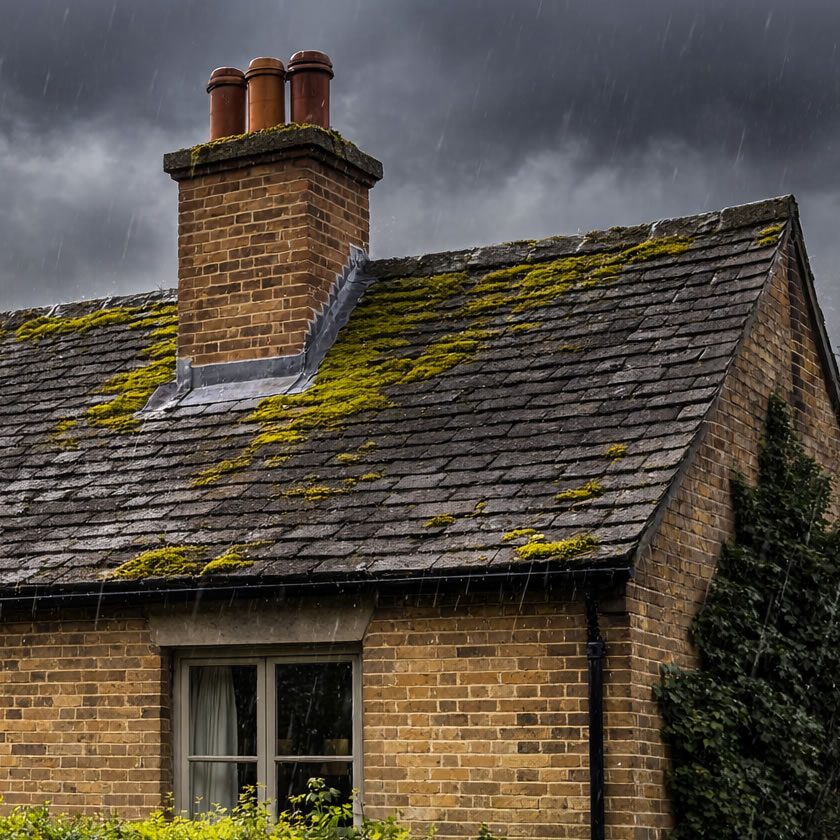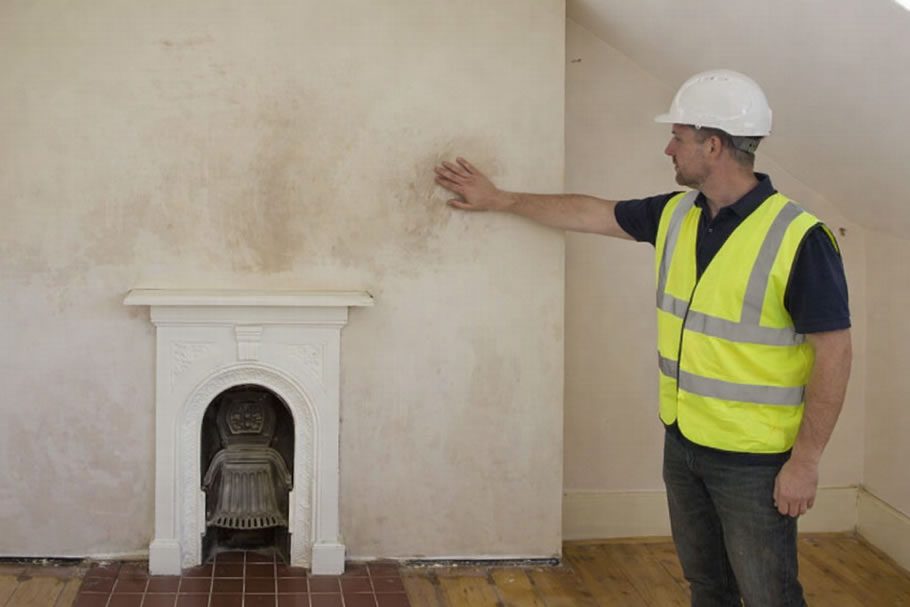

If your chimney is unused, leaking, or causing damp, you’ll often face a choice: remove the chimney stack or cap it (usually with a ventilated cap/cowl). Both options can work, but they solve different problems—and they come with very different costs and disruption levels.
This guide explains:
- what “capping” really means (and why ventilation matters)
- the pros and cons of capping vs removal
- when each option makes most sense
- typical UK cost ranges for chimney removal
- what to ask in quotes so you compare properly
What does “capping a chimney” mean?
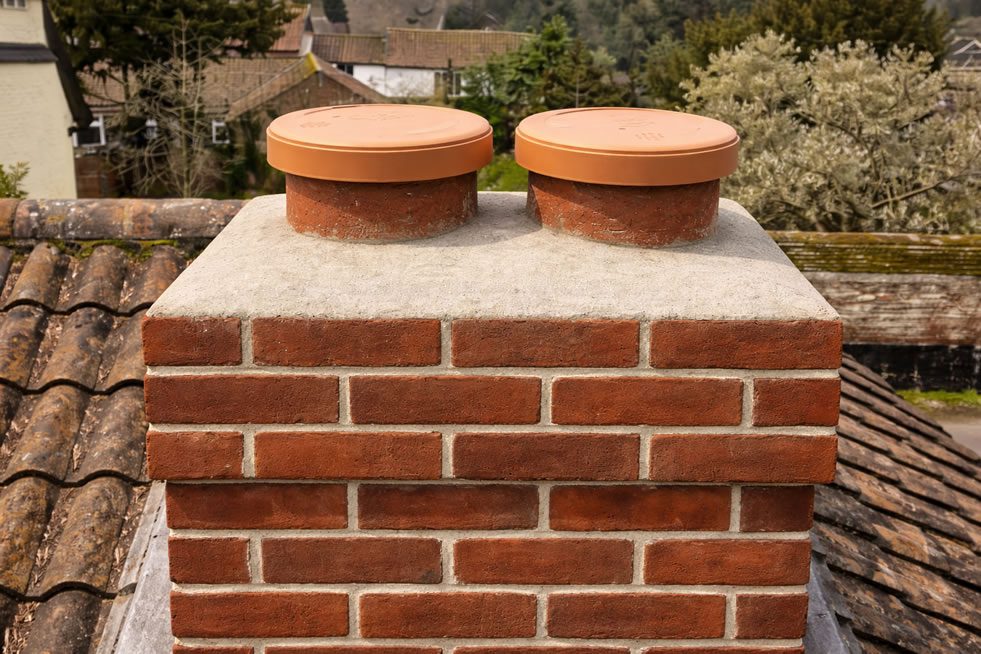
Capping typically means fitting a cowl/cap to the chimney pot to:
- reduce rain entering down the flue, and
- keep birds out
For unused chimneys, the best choice is often a ventilated cap/cowl. It reduces rain ingress while still letting air move through the flue. That airflow matters because it helps prevent condensation and musty smells.
Important: “capping” is not the same as sealing a chimney airtight. Fully sealing can trap moisture and worsen damp.
What does “removing a chimney stack” mean?
Removing the stack usually means dismantling the visible brick stack above the roofline down to an agreed level (often roofline), then making the roof watertight again.
A proper stack removal includes:
- safe access (often scaffolding)
- dismantling the brickwork safely
- replacing roof tiles/slates and making good underlay details
- leaving the roof fully watertight
- waste removal and tidy-up
Pros and cons: capping vs removal
Option 1: Capping the chimney (often ventilated)
Pros
- Lower cost than removal
- Faster and less disruptive
- Reduces rain ingress and bird nesting
- Helps unused chimneys stay drier when ventilated
- Often suitable when the stack is structurally sound
Cons
- The stack still remains and may need future maintenance (repointing, flashing, etc.)
- Won’t fix structural problems (leaning, loose bricks, widespread spalling)
- Won’t fix roof junction defects if flashing is already failing
- If capped incorrectly (sealed airtight), it can worsen condensation/damp
Best for
- Unused chimneys that are stable but show damp or smells
- Situations where the main issue is rain down the flue / birds nesting
- Homeowners who want a lower-cost fix with minimal disruption
Option 2: Removing the chimney stack
Pros
- Eliminates ongoing maintenance for that stack
- Removes a potential leak point permanently
- Can improve roofline simplicity and reduce storm risk
- Makes sense when repair costs keep repeating (especially with scaffold costs)
Cons
- Higher cost
- More disruption (scaffold, waste, roof making good)
- May involve shared/party-wall considerations in terraces/semi-detached homes
- You must ensure the roof is properly weatherproofed afterwards
Best for
- Redundant chimneys in poor condition
- Stacks that are unstable, leaning, or shedding masonry
- Repeated repair history where long-term costs are mounting
- Renovations where you want the roof simplified long-term
Typical costs in the UK (guide ranges)
Costs depend heavily on access (scaffolding) and chimney position (front vs rear).
| Option | Typical UK cost range | Notes |
|---|---|---|
| Fit rain cap/cowl (simple) | £150 – £400 | Often possible with ladder/tower on lower roofs |
| Fit bird guard cowl | £180 – £500 | Mesh guard; may combine with rain protection |
| Fit ventilated cap/cowl (unused chimney) | £200 – £650 | Good for reducing damp + rain ingress |
| Multiple pots/cowls | £300 – £1,200+ | Depends on number of flues and access |
| Remove chimney stack above roofline | £1,000 – £3,000 | Includes roof making good (scope varies) |
| Complex stack removal (rear/awkward access) | £2,000 – £4,500+ | Often higher scaffold/access cost |
| Scaffolding (if required) | £700 – £2,500+ | Biggest cost driver for many homes |
These are guide ranges. Your quote may be outside them depending on height, roof pitch, location and access constraints.
Which option should you choose? (simple decision guide)
Capping is usually enough if:
- the chimney is unused and structurally sound
- your main issue is damp smells, staining, or rain down the flue
- you don’t see loose bricks, bulging, leaning, or heavy spalling
- you want the lowest disruption and cost
Removal is usually better if:
- the stack is unstable, leaning, or shedding masonry
- spalling/crumbling bricks are widespread
- repairs keep repeating and costing more (especially scaffold costs)
- the chimney is truly redundant and you want to eliminate maintenance
Not sure? Check the roof junction too
If you’re dealing with leaks, remember:
- capping helps rain down the flue
- but failed flashing can still leak even with a cowl
So you may need flashing work either way.
Common mistakes to avoid
- Choosing a non-ventilated cap for an unused chimney and trapping moisture
- Capping when the stack is actually unstable (safety risk remains)
- Accepting a stack removal quote that doesn’t clearly include roof making good
- Forgetting shared/party-wall issues on terraces and semis
- Paying scaffold costs twice by not bundling related work while access is up
What to ask in quotes
If you’re capping:
- what type of cowl/cap will you fit and why?
- is it ventilated (if the chimney is unused)?
- will it also act as a bird guard?
- how will it be fixed securely in wind?
- will you check flaunching/pots while you’re there?
If you’re removing the stack:
- to what level will you remove it (roofline or lower)?
- how will you make the roof watertight (tiles/slates/underlay/flashing)?
- is scaffolding included and who arranges it?
- is waste removal included?
- what guarantee applies to watertightness?
Need help choosing?
If you’re deciding between removal and capping, you can request free, no-obligation quotes. Share what the chimney is used for (or if it’s unused), any damp/leak symptoms, and a photo of the stack if possible. Local specialists can advise whether capping is enough or whether removal makes more sense.
FAQs
Does capping a chimney stop damp?
Often it helps if damp is caused by rain entering down the flue. For unused chimneys, a ventilated cap/cowl is usually best because it reduces rain ingress and helps prevent condensation.
Is removing a chimney stack worth it?
It can be if the chimney is redundant and in poor condition, or if you’re paying repeatedly for repairs and scaffolding. Removal eliminates future maintenance for that stack, but it costs more upfront.
Can I cap a chimney that’s still in use?
Possibly, but it must be a suitable cowl/terminal for your appliance and flue type. If you have an active fire, stove, or gas appliance, get professional advice on the correct terminal.