
Chimney repointing looks simple from the ground: scrape out the old mortar and put new mortar in. However, a lot of “repointing” fails early because someone does a quick skim over weak joints or uses the wrong mortar. Then the joints crack again, water gets in, and the chimney starts to deteriorate faster than before.
This guide explains what good chimney repointing looks like, why preparation matters, and what you should expect in a proper quote. We’ll cover:
- raking out depth (and why it matters)
- mortar choice (especially for older UK chimneys)
- joint finishing and water-shedding details
- the red flags of a “cheap” repoint job
Why chimney repointing quality matters
Chimneys are exposed on all sides. Wind-driven rain hits the stack, frost cycles attack wet mortar, and the top of the chimney stays colder for longer. Because of that, a weak repointing job fails faster than wall repointing at ground level.
A good repoint job:
- strengthens the stack
- reduces water ingress
- protects bricks from spalling
- extends the life of flashing and flaunching repairs nearby
1) Raking out depth: the foundation of a long-lasting job
What “raking out” means
Raking out removes loose, cracked mortar so the new mortar bonds to sound material. If the roofer doesn’t rake out properly, new mortar only sticks to dusty old mortar—which means it can pop out quickly.
What good looks like
- The roofer removes mortar to a consistent depth, not just the surface.
- They clean the joint so new mortar bonds properly.
- They avoid damaging brick edges while raking out.
Red flags
- “Repointing” that looks like mortar smeared over the face of bricks
- New mortar falling out within months
- Joints that still look recessed behind the new mortar (a sign it didn’t bond well)
Practical tip: ask whether they will rake out old joints properly rather than “touching up” the surface.
2) Mortar choice: match the chimney, not just the colour
Mortar isn’t one-size-fits-all. The right mortar depends on the age of the chimney and the type of brick.
Why mortar choice matters
Mortar should usually be the “sacrificial” element—meaning it should take the weathering before the bricks do. If the mortar is too hard for the brick, moisture can get trapped and the bricks can start to spall.
What good looks like (especially on older chimneys)
- The roofer matches mortar strength and breathability to the chimney.
- On older properties, they often use a mortar that allows moisture to escape rather than trapping it.
- They avoid overly hard mixes that can damage softer bricks over time.
Red flags
- Mortar that looks excessively hard, glossy, or very smooth compared to the existing fabric
- Repointing that causes bricks to spall in the years after
- A contractor who can’t explain why they chose that mortar type
If you own a period property, it’s reasonable to ask how they’ll match the mortar to your chimney and brick type.
3) Joint finishing: neat, compacted and water-shedding
The way joints are finished affects both appearance and weather resistance.
Good finishing includes
- Packing mortar firmly into the joint (not leaving voids)
- Finishing joints neatly and consistently
- Choosing a finish that sheds water rather than holding it
Common pointing finishes you’ll hear about
| Finish | What it looks like | Why it’s used |
|---|---|---|
| Flush | Level with brick face | Clean finish, common choice |
| Weather-struck | Angled to shed water | Good for exposed stacks |
| Recessed (carefully) | Set back slightly | Can look tidy, but too recessed can hold water |
| Tuck pointing | Decorative line finish | Heritage look, more specialist |
For exposed chimneys, finishes that shed water generally perform well.
4) Cleaning, wetting and curing: the “invisible” quality steps
A lot of repointing success comes from steps you won’t notice from the ground.
What good looks like
- The roofer removes dust and loose material from joints before repointing.
- They control drying so mortar cures properly rather than drying too fast.
- They avoid repointing in poor conditions where mortar won’t cure well.
Red flags
- Mortar that cracks quickly because it dried too fast
- Work rushed in poor weather without proper curing considerations
5) Chimney-specific extras a good roofer checks
Repointing often sits alongside other chimney weak points. A good roofer will also look at:
- lead flashing where the roof meets the chimney
- flaunching around chimney pots
- chimney pots (loose or misaligned)
- caps/cowls (missing = rain down flue)
- spalled bricks that may need replacing
- rear tray/back gutter behind the chimney (on pitched roofs)
If you’re paying for access (especially scaffolding), it’s smart to check and bundle these repairs while you can.
What to ask in a chimney repointing quote
To compare roofing quotes properly, ask for:
- which sides/areas of the stack they will repoint
- whether they will rake out joints properly (not just surface touch-up)
- whether brick replacement is included (and how many)
- what access method they’ll use (ladder/tower/scaffold)
- whether they’ll provide before/after photos
- what guarantee they offer and what it covers
A detailed quote usually signals a more professional job.
Common repointing “shortcuts” to avoid
- Smearing mortar over the surface (“cosmetic pointing”)
- Using strong mortar mixes on soft, older bricks
- Leaving joints recessed and unfilled behind the face
- Ignoring flaunching or flashing problems that keep the stack wet
If the chimney stays wet, even great repointing can fail early.
Need chimney repointing quotes?
If your mortar joints look cracked or recessed, or you’ve got damp near the chimney breast, it’s worth getting quotes before the damage spreads. You can request free, no-obligation quotes from local specialists. Add a couple of photos of the stack if you can—it helps roofers quote more accurately.
FAQs
How do I know if my chimney needs repointing?
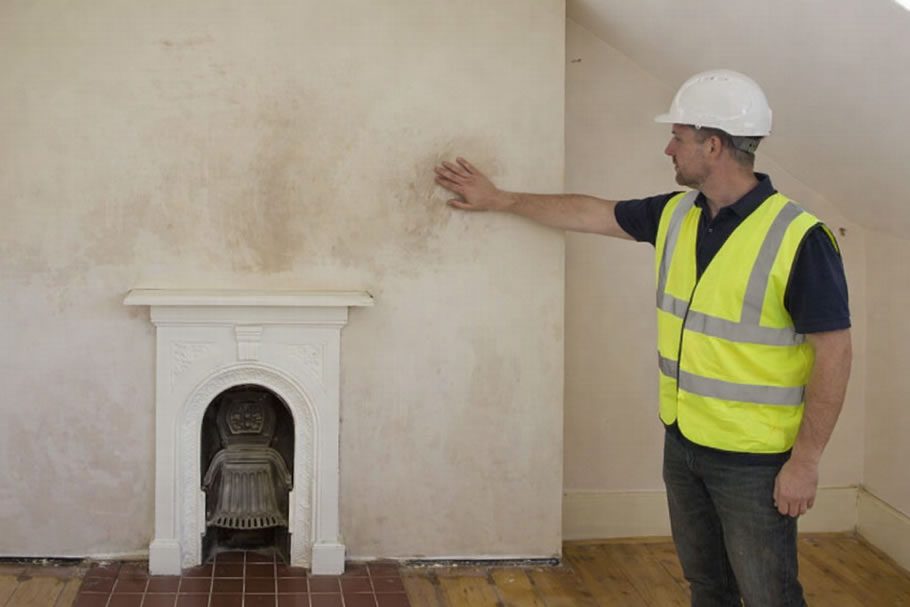
Look for cracked, missing or recessed mortar joints, bits of mortar in gutters, and damp patches on chimney breasts after rain.
Is “touch-up pointing” enough?
Sometimes for very small areas, but many “touch-ups” fail quickly because they don’t bond well. Proper repointing usually involves raking out to sound mortar.
Can the wrong mortar cause brick damage?
Yes. If mortar is too hard for the brick, it can trap moisture and contribute to spalling over time, especially on older chimneys.