
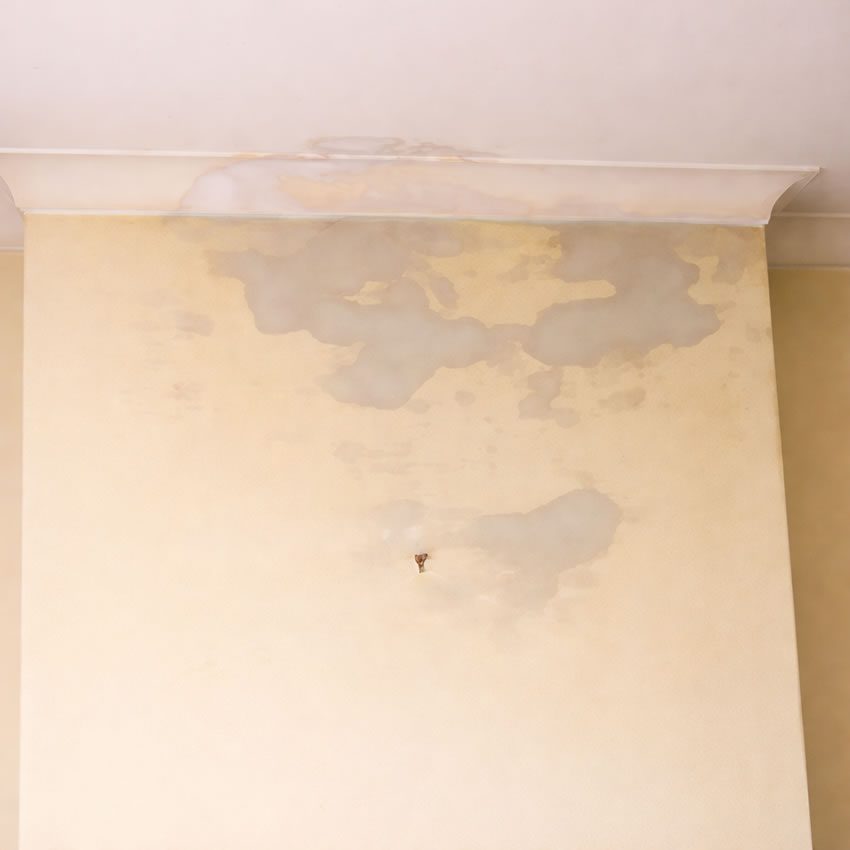

The key is to identify the real cause. Damp on a chimney breast can come from rainwater ingress, condensation inside an unused flue, or internal defects like failing mortar and brickwork. Once you know the cause, you can choose the right fix — and avoid wasting money on decorating over damp that will just return.
This page explains the most common causes of damp chimney breasts, how to tell them apart, and which repairs usually solve them. If you’re ready, you can request free, no-obligation quotes from local specialists.
Common signs of a damp chimney breast
Look out for:
- brown or yellow staining (“tide marks”) on the chimney breast
- damp patches that grow after rainfall
- bubbling paint, peeling wallpaper, or blown plaster
- white powdery deposits (salts/efflorescence)
- musty smells near fireplaces or blocked-off openings
- mould on or around chimney breast walls (more common in colder months)
Because chimneys contain porous masonry, damp can spread wider than you’d expect.

What causes a damp chimney breast?
Most damp chimney breasts come from one (or a combination) of these causes:
- Rainwater entering the chimney (down the flue or through the stack)
- Failed lead flashing at the roof–chimney junction
- Cracked flaunching and loose pots at the top of the stack
- Open mortar joints / porous brickwork (repointing needed)
- Condensation in an unused chimney (poor airflow)
- Blocked flues or debris holding moisture
- Guttering/back gutter issues near the chimney (water overflow)
Damp chimney breast: cause vs symptoms vs fixes (table)
| Likely cause | When it tends to show up | Common clues | Typical fix |
|---|---|---|---|
| Rain entering down the flue | After rain | Damp near fireplace, musty smell, soot marks | Fit suitable rain cowl/cap (often ventilated if unused) |
| Failed lead flashing/soakers | Storms / wind-driven rain | Loft damp near stack, staining near chimney line | Repair/replace lead flashing and check steps/soakers |
| Cracked flaunching / loose pots | After heavy rain | Water pooling on stack, pot leaning | Renew flaunching, re-bed pots, check caps/cowls |
| Open mortar joints / porous stack | After rain, then lingers | Recessed mortar, crumbly joints | Chimney repointing + brick replacement if needed |
| Spalled bricks | Ongoing, worse in winter | Flaking brick faces, debris in gutters | Replace spalled bricks + repoint + fix moisture route |
| Condensation in unused flue | Dry weather + cold spells | Damp persists without rain, musty smell | Improve ventilation + ventilated cap, keep airflow |
| Blocked flue / bird nesting | Ongoing | Noise/smell, debris in fireplace | Fit bird guard/cowl and clear blockage (safely) |
How to tell if it’s rain ingress or condensation
The timing gives you a big clue.
More likely rain ingress if:
- damp appears after rainfall or storms
- you see fresh staining after wet weather
- the loft shows damp near the chimney stack
- the chimney has visible defects (flashing, flaunching, mortar, missing cowl)
More likely condensation if:
- damp persists during dry spells
- it worsens in cold weather
- the fireplace is blocked off and there’s little ventilation
- the chimney is unused and you notice a musty smell
Often, an unused chimney suffers from both: rain entry and poor ventilation.
Fixes for a damp chimney breast (what works)
1) Fit the right chimney cowl/cap
If rain falls directly down the flue, a suitable cowl or cap often helps immediately. For unused chimneys, a ventilated cap/cowl usually performs better than fully sealing it, because airflow reduces condensation.
2) Repair lead flashing at the roof junction
Failed flashing is a classic cause of damp that worsens in storms. A proper fix usually involves repairing or renewing leadwork, not just sealing over it.
3) Repair cracked flaunching and re-bed chimney pots
Cracked flaunching lets water into the top of the stack. Roofers often renew flaunching at the same time as pot re-bedding to keep the top watertight.
4) Chimney repointing and brick repairs
If mortar joints are recessed or crumbling, water soaks into the stack and feeds damp indoors. Repointing seals joints and strengthens the stack. If bricks have spalled, replacing the worst bricks prevents ongoing water absorption.
5) Improve ventilation for unused chimneys
If the chimney is redundant and blocked off tightly, moisture can build up. Ventilation at the top (vented cap/cowl) and, where appropriate, airflow at the fireplace opening can reduce condensation.
6) Drying and re-plastering (after the cause is fixed)
Once the source of moisture is fixed, the chimney breast may take time to dry. Only then does it make sense to repair plaster and redecorate. If you plaster too early, stains can return.
What not to do (common mistakes)
- Painting over stains without fixing the cause (it usually comes back)
- Sealing everything airtight on an unused chimney (traps moisture)
- Relying on exterior sealant patches around flashing (often short-lived)
- Ignoring spalling bricks (damage tends to spread)
- Climbing onto the roof to inspect (not worth the risk)
What to check before hiring a roofer
Ask for:
- the likely cause (rain ingress vs condensation vs both)
- the repair scope in writing (cowl/cap, flashing, flaunching, repointing)
- access method (ladders/tower/scaffold)
- proof of public liability insurance
- before/after photos where practical
- warranty/guarantee terms
Get free quotes to fix a damp chimney breast
Use our enquiry form to request free, no-obligation quotes. Tell us when the damp appears (after rain or ongoing), where it shows up, and add photos of the chimney stack and internal staining if you can. We’ll match your enquiry with suitable local specialists so you can compare options and choose the best fit.
Damp chimney breast FAQs
Why is my chimney breast damp even when it hasn’t rained?
Condensation in an unused flue is a common cause, especially in colder months. Poor ventilation traps moisture. A ventilated cap/cowl and improving airflow often helps.
Can a chimney cowl stop damp on a chimney breast?
If rain is entering down the flue, yes. However, damp can also come from flashing defects, cracked flaunching or porous masonry, so the right fix depends on the cause.
How long does a chimney breast take to dry?
It varies. Porous masonry can hold moisture for a while. Once repairs stop the moisture source, drying can take weeks or longer depending on ventilation, heating and the extent of saturation.
Should I replaster a damp chimney breast?
Replastering makes sense only after you fix the cause and allow the area to dry. Otherwise stains and damp can return through the new finish.