
If you’re thinking about removing a chimney stack, the biggest question is usually: “How do they make the roof watertight afterwards?” That’s the right question to ask. The roof junction where a chimney once stood is a high-risk area for leaks if it’s not rebuilt properly.
In this guide, we’ll explain what a good roofer should do after chimney removal, what materials are involved, and how to spot a quote that might leave you with future problems.
First: what “chimney removal” usually means
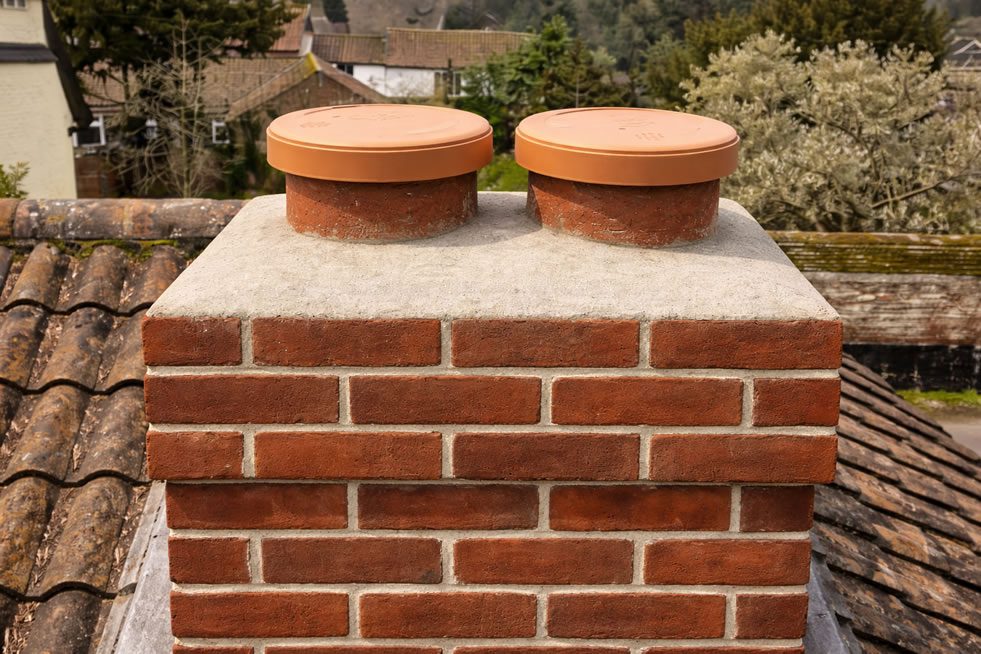
Most homeowners mean chimney stack removal above the roofline. The roofer dismantles the stack down to an agreed level (often roofline), then rebuilds the roof area so it performs like a normal roof again.
Chimney breast removal inside the home is a different job, but it may happen as part of a bigger project.
The main goal: rebuild the roof structure and covering properly
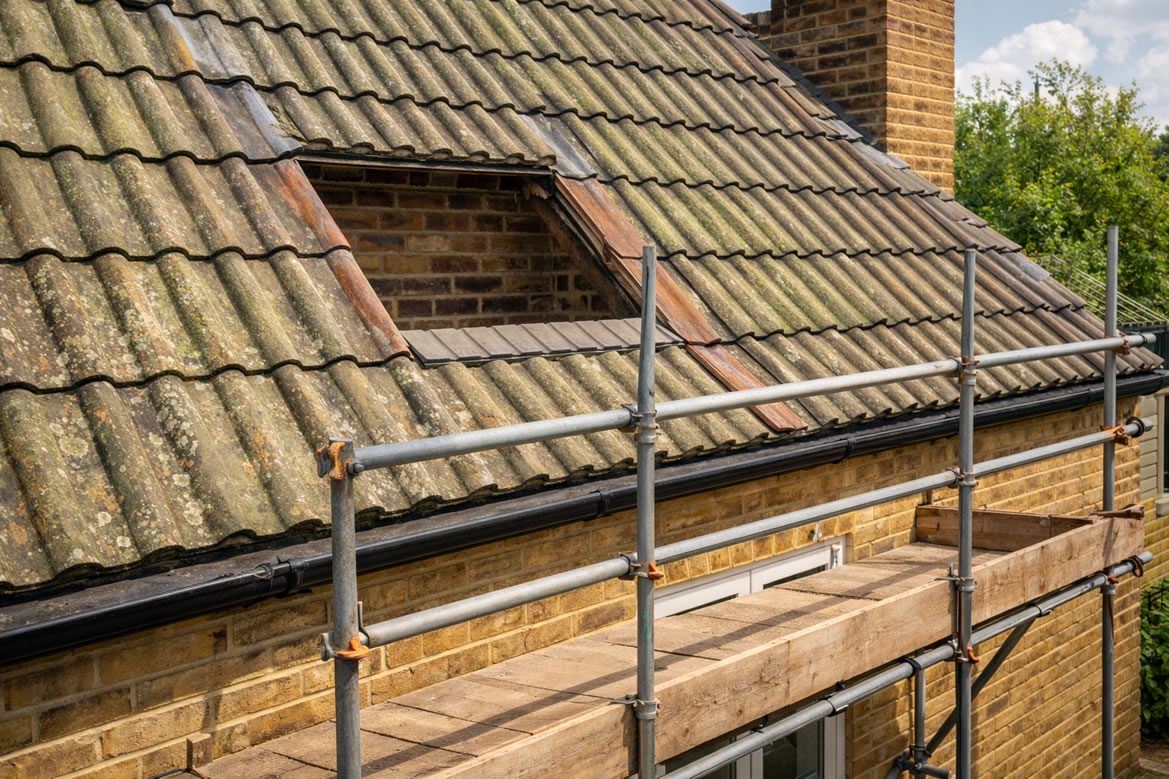
A chimney leaves a “hole” in the roof system:
- the roof covering (tiles/slates) is interrupted
- battens may be cut around the stack
- underlay (felt/membrane) may be missing or patched
- flashing details are removed or become redundant
- water flow patterns change
A proper make-good puts the roof back into a continuous, watertight system.
Step-by-step: what should happen after a chimney stack is removed
1) Safe access and protection
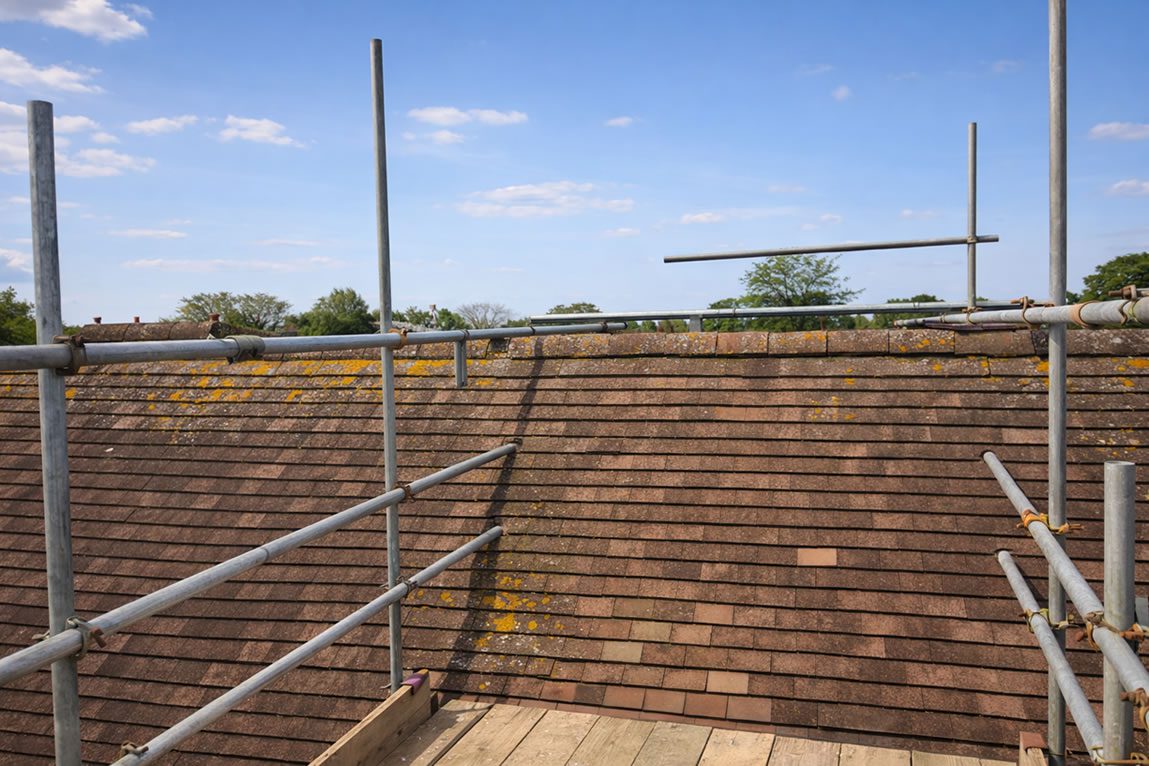
A roofer will use safe access (often scaffolding). They should protect the work area and manage debris safely—chimney masonry is heavy.
2) Dismantle the chimney to a safe level
They dismantle brickwork down to the agreed point. In many cases that’s the roofline, but sometimes they may go slightly below where the structure is sound and stable.
3) Repair/restore the roof structure around the opening
This part matters more than most people realise.
A good roofer will:
- check rafters and roof timbers around the chimney location
- replace or repair any timbers affected by previous leaks
- install appropriate support where the chimney used to interrupt the roof
- make sure the roof deck/battens can carry tiles/slates properly
If the chimney had leaked for years, timbers near it may be damp or weakened. This is the best moment to fix that.
4) Install or repair the underlay (felt/membrane)
Underlay should be continuous and correctly lapped. If the roofer just patches a small square in, that patch may become a weak point.
What good looks like:
- underlay lapped correctly with the rest of the roof
- no “holes” or gaps around the former chimney area
- clean detailing to shed water downwards
5) Re-batten as needed
Roof battens are often cut around chimney stacks. After removal, the roofer should install battens in the correct pattern and spacing for your roof covering.
6) Re-tile or re-slate the area
The roofer then reinstates the roof covering:
- matching existing tiles/slates where possible
- replacing broken units
- ensuring correct overlaps and alignment
This is where “quick” jobs go wrong. If tiles/slates aren’t laid properly, you can get wind-driven rain entry even if it looks tidy from the ground.
7) Deal with flashing details properly
Once the chimney is gone, you no longer need chimney flashing. However, some roofs still need leadwork or weathering details depending on the shape of the roof and how the opening was rebuilt.
A good roofer will:
- remove redundant leadwork neatly
- ensure any remaining junctions are weatherproof
- avoid leaving lead “stubs” that trap water
8) Internal checks and clean-up
Finally, a good roofer will:
- clear gutters of debris (brick and mortar fragments often end up there)
- provide before/after photos
- explain what they repaired and how they made the roof watertight
What about the hole inside the loft?
If you remove only the stack above the roofline, the chimney structure may still exist below. That can leave:
- a void or stub in the loft area
- a flue route that may need capping/venting
A roofer or builder may recommend:
- capping/venting the remaining flue appropriately
- making sure airflow remains sensible to prevent trapped moisture
This depends on how much of the chimney is removed and whether any flues are still needed.
How to spot a good “roof making good” quote
A strong quote usually mentions:
- tiles/slates removed and reinstated
- underlay/membrane making good and correct laps
- battens and roof structure repairs where needed
- making watertight as part of the scope (not an afterthought)
- waste removal included
- access/scaffolding included
- photos provided and a guarantee for watertightness
Red flags
- “Remove chimney and patch roof” with no detail
- no mention of underlay, battens, or roof structure
- vague lines like “seal area” instead of rebuilding the covering
- no mention of waste removal or gutter clearing
Common mistakes after chimney removal (and how to avoid them)
1) Underlay left incomplete
If underlay isn’t continuous and lapped properly, wind-driven rain can get in.
2) Tiles don’t match or aren’t properly laid
You want correct overlaps and alignment—not just “something that covers the hole”.
3) No allowance for hidden timber damage
Old leaks can rot battens and timbers. Skipping this check can store up problems.
4) Gutters left full of debris
Brick debris in gutters can create overflows and new damp issues.
Does roof type change the approach?
Yes. Slate roofs often need more careful handling and matching. Some concrete tile profiles are easier to match than older slates. Roof pitch and exposure also change how important detailing becomes.
That’s why photos and an inspection help roofers quote accurately.
How long does it take?
Once access is in place, many chimney stack removals and roof make-good jobs can be completed over a few working days. However, weather can delay roofing work because underlay and tile work need safe conditions.
Get quotes for chimney removal and roof making good
If you’re planning chimney removal, it’s worth getting quotes that clearly include roof making good and watertight finishing. You can request free, no-obligation quotes from local specialists. Add photos of the chimney and the roof slopes if you can—clear images help roofers assess access and materials.
FAQs
Will removing a chimney leave a hole in the roof?
Temporarily, yes during the work. A proper job restores the roof structure, underlay, battens and tiles/slates so the roof becomes watertight again.
Is it easy to make the roof watertight after chimney removal?
It’s straightforward for an experienced roofer, but the quality matters. Good underlay laps, correct battens and properly laid tiles/slates are essential, especially in wind-driven rain.
Should the quote include a guarantee for watertightness?
Ideally, yes. At minimum, the roofer should confirm in writing that the roof will be left watertight and explain what that covers.