
Hearing scratching, fluttering, or chirping in your chimney is surprisingly common in the UK—especially in spring. Birds like jackdaws and starlings often investigate chimney pots as sheltered nesting spots. Unfortunately, nests can cause problems fast: blocked flues, smells, debris falling into fireplaces, damp patches, and (for in-use fires/stoves) serious safety risks.
This guide covers:
- the signs birds are nesting in your chimney
- what you can do safely right now
- what you should not do
- how to prevent it happening again with the right cowl/bird guard
First: is the chimney in use?
This matters because a blocked flue on an active appliance can be dangerous.
If the chimney serves an open fire, log burner, or stove
Treat a nest as a priority. A blockage can affect draw and increase the risk of smoke and fumes coming back into the room.
If the chimney is unused/blocked off
The immediate danger is lower, but nests still cause:
- smells and debris
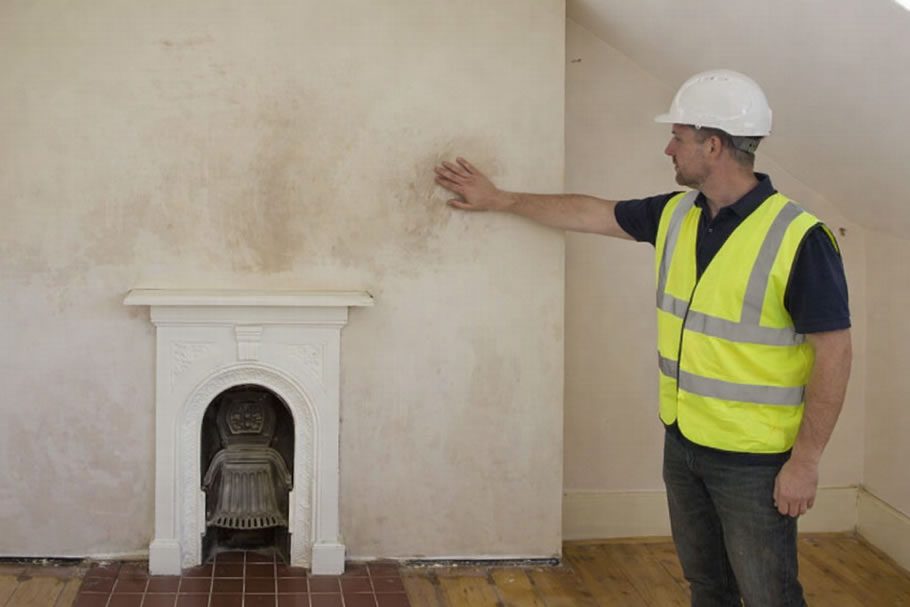
- damp and staining
- ongoing blockages that trap moisture
Either way, the best solution is usually to get it inspected and then fit a suitable bird guard/cowl.
Signs birds are nesting in your chimney
Common signs include:
- scratching, tapping, or flapping sounds (often early morning)
- twigs and debris falling into the fireplace opening
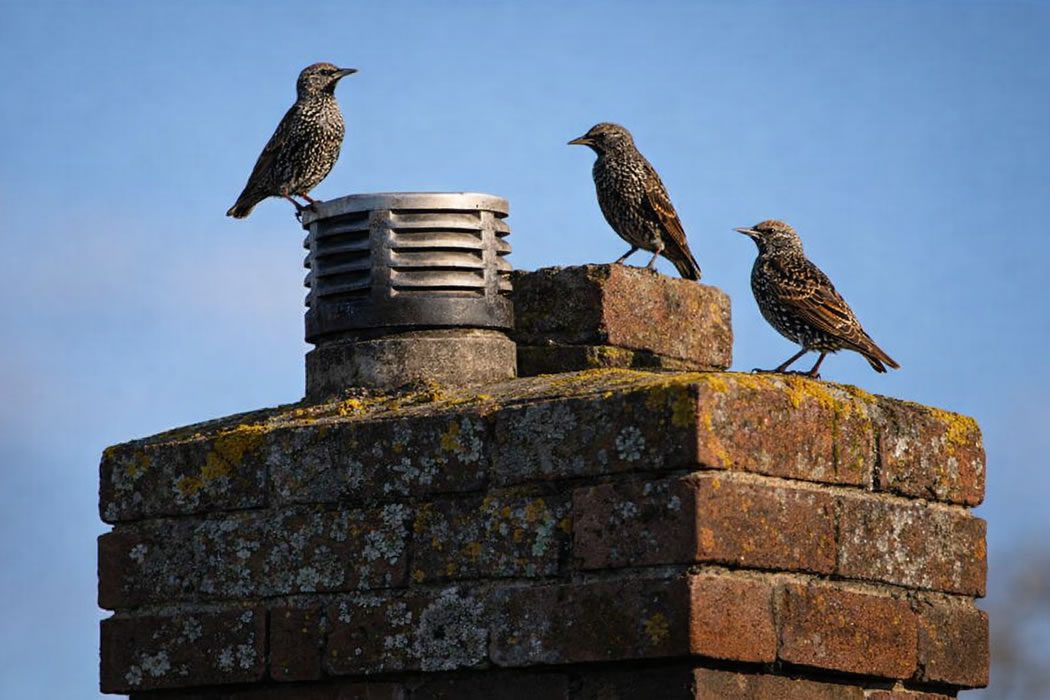
- birds repeatedly landing on the pot and disappearing inside
- unusual smells from the fireplace/chimney breast
- soot or debris dropping into the room
- poor draw or smoke blowback (if you use the fireplace)
If you suspect a blockage and you use the fire/stove, stop using it until you get advice.
What to do (safe homeowner steps)
1) Stop using the fireplace or stove until checked
If a nest blocks the flue, smoke and fumes can come back into the house. It’s safer to pause use and get it inspected.
2) Keep the fireplace area tidy and protected
Put down old sheets or a tarp near the fireplace opening. Nests can drop debris and soot.
3) Note what you’re hearing and when
Write down:
- time of day you hear activity
- whether birds are entering/exiting the pot
- whether you’ve noticed smells or damp
This helps a professional confirm what’s happening.
4) Take photos from ground level (if safe)
A quick photo of the chimney pot can help a roofer recommend the right bird guard/cowl and access method.
5) Arrange professional inspection/clearance
The right person depends on your setup:
- for active fires/stoves: a chimney sweep is often the right first call to assess and clear
- for fitting prevention (cowls/bird guards) and top-of-stack repairs: a roofer often handles the installation
In many cases, you’ll want both: a sweep for clearance, then a roofer to fit the guard/cowl so it doesn’t happen again.
What NOT to do
Don’t light a fire “to smoke them out”
It can be dangerous and may harm wildlife. More importantly, a blocked flue can bring smoke and fumes back into your home.
Don’t try to remove the nest from the roof yourself
Roof access is risky. Loose pots, cracked flaunching, and wet tiles add danger. Leave roof-level work to professionals with safe access.
Don’t poke tools up the flue blindly
You can compact the nest and make the blockage worse. You can also damage liners or dislodge debris into the room.
Don’t seal the chimney completely airtight
Sealing without ventilation can trap moisture and worsen damp. It also doesn’t fix a nest already present.
Don’t assume it’s “fine” because the chimney is unused
Nests can still cause damp and smells and can become a bigger mess to remove later.
Legal and seasonal considerations (simple overview)
Bird nesting activity is common in spring and early summer. In the UK, wild birds and active nests have legal protections. That means timing matters, and professionals may advise the safest and most appropriate approach depending on whether the nest is active.
If you suspect active nesting, it’s best to get advice before attempting removal.
How to prevent birds nesting in your chimney again
The most effective prevention is fitting a suitable bird guard (often combined with a rain cowl).
Common prevention options
- Bird guard cowl (mesh): stops birds entering while allowing airflow
- Rain cowl with bird mesh: reduces rain down the flue and prevents nesting
- Ventilated cowl/cap (unused chimneys): helps prevent damp and still blocks birds
A roofer can recommend the right type based on:
- chimney pot size and shape
- whether the flue is in use
- whether you also want downdraught reduction
- how windy/exposed the property is
Will a bird guard affect chimney performance?
A correctly fitted bird guard should:
- allow ventilation
- avoid restricting draw too much
However, choice matters. If the chimney is in use, the guard/cowl needs to suit the flue type and appliance.
Do you need scaffolding to fit a bird guard?
Not always. Some installations can be done with ladders or an access tower on lower roofs. Scaffolding is more likely when:
- the property is taller or the roof is steep
- the chimney is at the rear over an extension/conservatory
- pots are loose or flaunching needs repair at the same time
Get help with birds nesting in your chimney
If you suspect a nest, the safest plan is:
- get the flue assessed/cleared as needed, then
- fit a suitable bird guard/cowl to prevent repeat nesting.
You can request free, no-obligation quotes for fitting chimney cowls and bird guards, and we’ll match you with suitable local specialists. Add a photo of the chimney pot if you can—it helps roofers quote more accurately.
FAQs
Should I light a fire to get birds out of the chimney?
No. It can be unsafe and may harm wildlife. If the flue is blocked, smoke and fumes can come back into your home.
Can birds nesting in a chimney cause damp?
Yes. Nests can trap moisture and reduce airflow, and missing cowls can let rain enter down the flue. Together, they can lead to damp chimney breasts and smells.
What’s the best way to stop birds nesting in a chimney?
Fitting a suitable bird guard (often part of a cowl) is the most effective long-term solution.